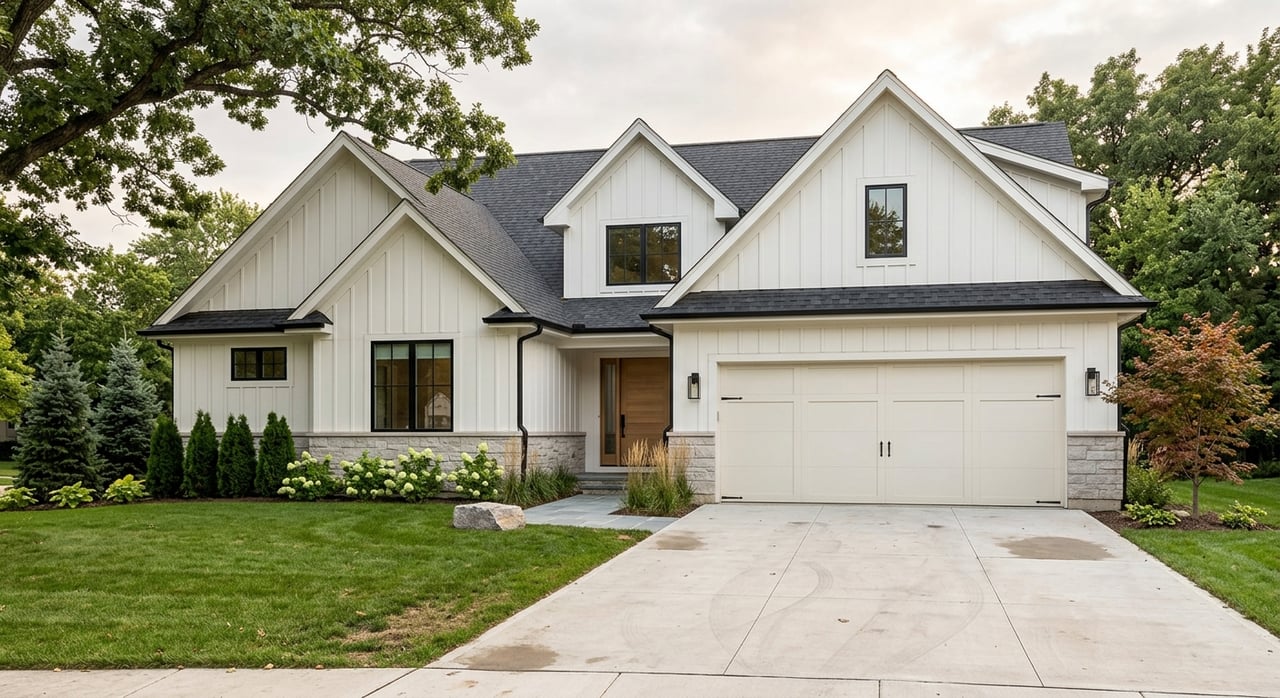
"The mid-season market for used equipment presents a much higher risk of spreading AIS." That's how the Minnesota DNR's invasive species training coordinator framed a reminder the agency sent out in late June, aimed at anyone buying or selling a dock, boat lift, or other water equipment this summer. It reads like a boating safety notice. On Prior Lake and Spring Lake, it's also a real estate document.
If you're getting ready to list a shoreline home here, the number that lands on your purchase agreement often has less to do with your kitchen finishes than with how much of your permit history, dock paperwork, and watershed compliance is already sorted before a buyer's inspector starts asking questions. Comps tell a buyer what the house is worth. They don't tell anyone what it costs to close.
The Three-Week Rule Nobody Puts in the Listing
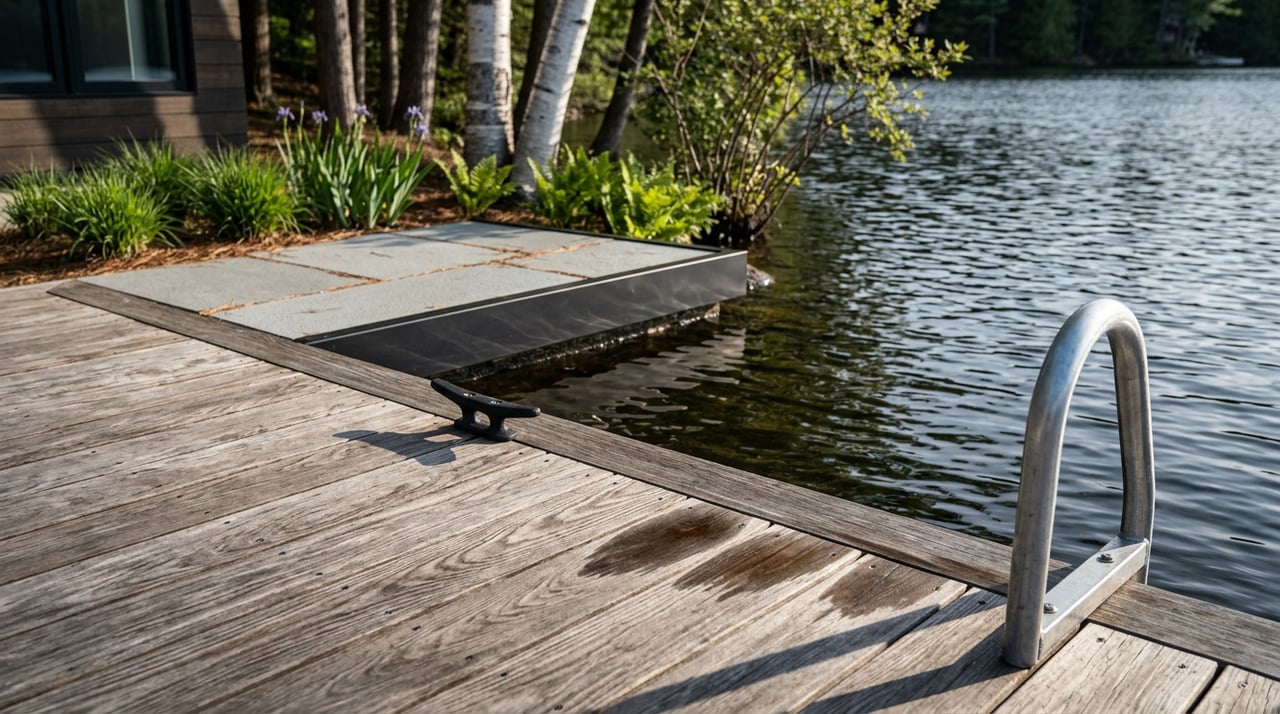
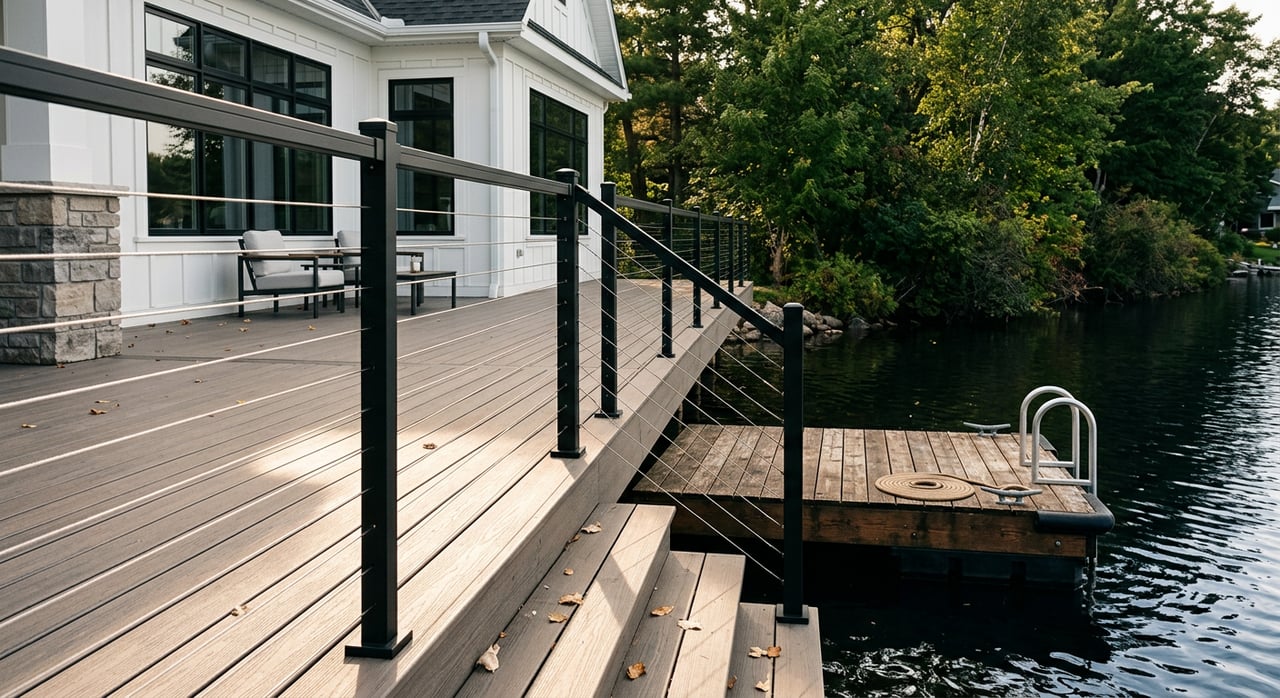
Minnesota law requires docks and lifts to sit out of the water for at least 21 days before they can go into a different waterbody. The DNR reissued that reminder on June 23, 2026, specifically because summer sales of used docks and lifts are a common way aquatic invasive species travel between lakes. If a dock or lift has zebra mussels attached, moving it anywhere for decontamination now requires a free DNR permit before it can be transported legally.
For most Prior Lake closings this rule never comes up, because the dock stays put and simply changes hands with the house. It matters the moment either side plans to move equipment somewhere else. A buyer relocating a lift from a previous lake home. A seller who wants to keep the family dock and take it to a cabin up north. Either scenario needs three weeks built into the calendar, not three days, and that clock doesn't stop for a closing date.
The watershed district's own water quality studies have documented curlyleaf pondweed and Eurasian watermilfoil in the Spring Lake and Prior Lake system for years. That history is why a buyer asking about aquatic plant treatment records or past DNR correspondence isn't being difficult. They're asking a fair question about a real, documented condition of this lake, and sellers who have the paperwork ready answer it in one email instead of a week of back and forth.
The 25 Percent Number That Can Cap a Buyer's Plans
Minnesota's shoreland rules cap impervious surface coverage at 25 percent of the lot area for any parcel in shoreland. That includes:
- Rooftops
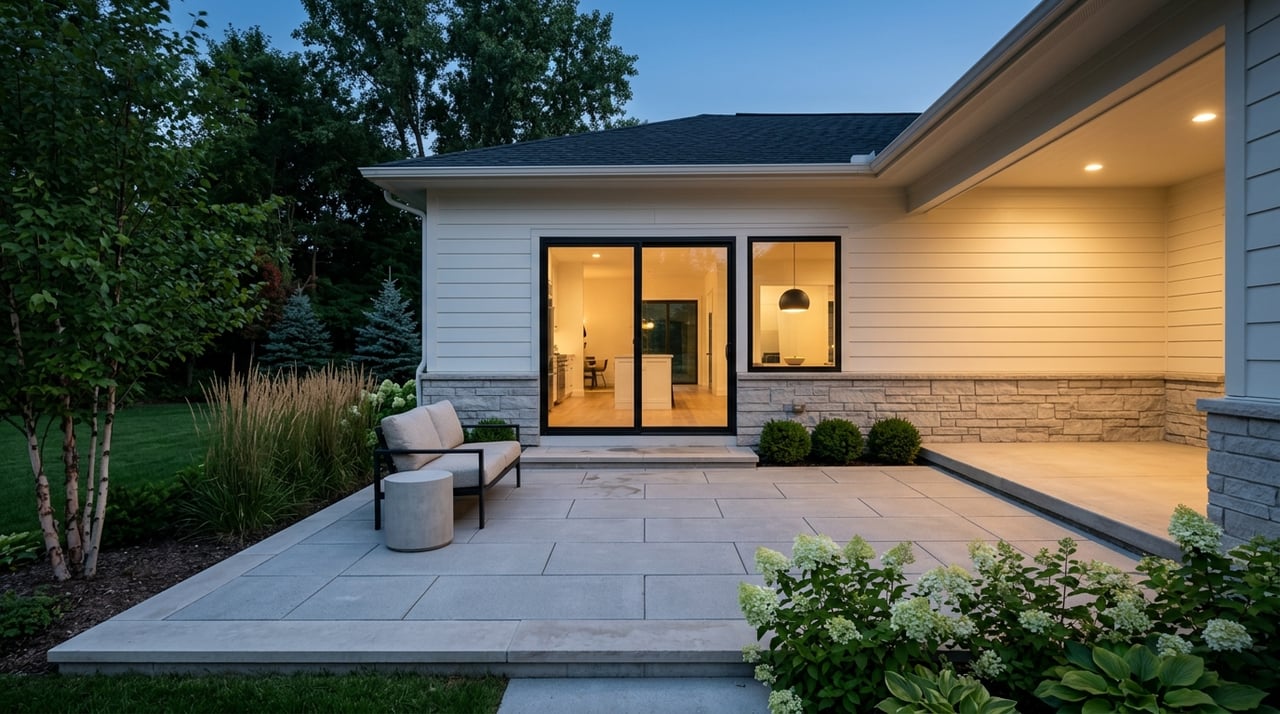
- Decks and patios
- Driveways and sidewalks
- Swimming pools
- Any other surface that sheds rainwater instead of absorbing it
That 25 percent figure is the state minimum. Local ordinance can set a stricter number, which means the figure that actually governs your lot is the one on file with Prior Lake's planning department, not a rule of thumb pulled from a state website. Lots along Lower Prior Lake's shoreline, home to the city's flagship Lakefront Park and the Watzl's Beach shoreline restoration site, represent some of the oldest developed frontage on the lake. Homes with additions, expanded patios, or new decks layered on across several owners over the decades are the ones most likely sitting at or near that ceiling.
A buyer's lender or appraiser will eventually ask about it. A seller who already has a site plan with the impervious percentage calculated turns that conversation into a formality. A seller who doesn't turns it into a negotiation.
The Lake Remembers Who Used It
Prior Lake and Spring Lake both carry a permanent 150-foot slow-no-wake zone around the entire shoreline, enforced year round by the Scott County Sheriff's Office. Property owners who want to mark that 150-foot line with orange buoys need a free permit from the Sheriff's Office, and that permit renews automatically each year once it's on file.
Outside the no-wake zone, both lakes allow speeds up to 40 mph, but only from sunrise to a half hour after sunset on weekends and holidays between Memorial Day and Labor Day. The Prior Lake Association also documents a lake-wide trigger: if the water level reaches 903.9 feet, the entire lake becomes a no-wake zone until it drops back below that mark for three consecutive days, backed by a $500 fine for violations.
None of this changes what a home is worth. It changes what a buyer expects to do with it. Someone coming from a lake with looser rules and a habit of all-day water skiing on a Saturday will be surprised by a permanent 150-foot limit and a seasonal speed window. Surfacing that during a showing, rather than letting a buyer discover it after closing, is a small thing that tells them the seller actually knows this lake. If you have active buoys marking your shoreline, pass along the permit paperwork in the closing packet instead of leaving the buyer to start from scratch with the Sheriff's Office.
What an Open Watershed Grant Does to Your Timeline
The Prior Lake-Spring Lake Watershed District offers restoration grants to homeowners who want to convert lawn to native shoreline buffer, and the City of Prior Lake promotes the same program on its own lakeshore preservation page. A completed restoration is an asset worth marketing. An open one, started but not finished, is a different story. Appraisers and title reviewers want documentation of what's actually been done versus what's still planned, and an unresolved project can slow down both.
Minnesota law requires sellers to disclose material facts about a property to buyers. On a shoreland lot, that reasonably extends to permit history, past aquatic plant treatments, and any correspondence with the DNR or the watershed district about work on the shoreline. None of that is complicated to produce. It just has to exist before a buyer's agent asks for it, not after.
On Prior Lake, the number that lands on a purchase agreement often reflects less about the view from the deck and more about how many of these conversations, impervious surface, dock history, no-wake compliance, and watershed paperwork, are already finished before a buyer's inspector starts counting square footage.
Before You List, Gather This
- A current site plan or survey showing your impervious surface percentage
- Maintenance and any invasive species inspection records for your dock and lift
- Buoy permit paperwork if you mark the no-wake zone
- Documentation on any completed or in-progress PLSLWD restoration grant
- Written confirmation from Prior Lake's planning department on any patio, deck, or structure that predates the current shoreland ordinance
A Few Questions That Come Up Often
Do I need to pull my dock and lift out before closing? No, in most cases the equipment stays in place and simply changes hands with the property. The 21-day rule applies when a dock or lift moves from one waterbody to another, not when it stays on the same lake for a new owner.
What if my patio or sea wall predates the current shoreland ordinance? The DNR notes that a legally established nonconforming feature can generally remain as it is, though future expansion has to meet current rules. Getting that status confirmed in writing with Prior Lake's planning department before you list turns the feature into an asset instead of a question mark during inspection.
Is a pre-listing survey worth the cost on a lake lot? On a shoreland parcel, yes. A documented impervious percentage and confirmed setback compliance give a buyer's lender and appraiser a real number to work from instead of an estimate, which shortens any review that touches shoreland compliance.
If you're weighing whether Prior Lake is the right fit before any of this applies to you, our guide on what everyday life looks like on Prior Lake and our take on choosing your first lake home here are good places to start.
When you're ready to actually list, the paperwork above is the difference between a smooth thirty days and a renegotiation in week two. The Hancock Group has helped Prior Lake and Spring Lake shoreline owners assemble that file long before a sign goes in the yard, paired with the professional marketing that gets a well-documented listing in front of the right buyers fast. Request a free home evaluation and let's find out what your shoreline paperwork says about your price before a buyer's inspector does.