On the third Saturday of September, downtown Waconia still closes in on itself the way it has for decades. Main Street fills with duck races and a car show. A wooden medallion, hidden somewhere on public property, waits to be found by whoever finally reads the right clue in the Waconia Patriot. This year that Saturday falls on September 19, and the night before it, a street dance takes over City Lot #1 at Main and Vine, gates open at 7 p.m., band on until 11:30.
None of that is new. What's new is that a Waconia resident now has two other places to be that same week, and neither existed in its current form a few years ago.
The Main Street math
Nickle Dickle Day traces back to 1961, when it started as a sidewalk sale, a way for downtown merchants to pull people off the highway and into their shops. The name comes from "dickle," a German word tied to bartering, and the original gimmick was simple: a lot of things cost a nickel. Six decades later the bones of that idea are still there, but the event around it has grown into something with its own logistics.
| Event | When | Where |
|---|---|---|
| Nickle Dickle Eve Street Dance | Friday, Sept. 18, gates 7 p.m., band 8–11:30 p.m. | Waconia City Lot #1, Main & Vine Streets |
| 10K Run | Saturday, Sept. 19, 8 a.m. start | Cherry Street, between 1st and 2nd |
| 3-on-3 Basketball Tournament | Saturday, Sept. 19, 10:30 a.m.–4:30 p.m. | St. Joseph Catholic School lot, 41 East First Street |
| Medallion Hunt clues published | Weekly starting late August | Waconia Patriot |
| Arts & Crafts Fair, Duck Races, Kids Zone | Saturday, all day | City Square Park and downtown blocks |
The numbers behind that table are the part most people never see. In 2023, roughly 30,000 people came through Waconia on Nickle Dickle Day and spent an estimated $1.9 million at local businesses, according to event data cited by the Waconia Chamber of Commerce. That single Saturday routinely ranks as many downtown merchants' best sales day of the year. The event also functions as a fundraiser for four organizations at once: Waconia Community Education, the Waconia West Carver Rotary Club, St. Joseph Catholic School, and the Waconia Public Library. The medallion hunt, the 10K, the 3-on-3 tournament, none of it is incidental. Each piece is attached to a group that depends on that day's turnout.
That's worth sitting with for a second. A festival that looks, from the outside, like duck races and a car show is actually a coordinated retail and fundraising event that four separate community institutions build their fall calendars around. If you've ever wondered why downtown Waconia goes all in on one Saturday in September, that's why. It isn't nostalgia keeping the tradition alive. It's arithmetic.
The lake option that didn't used to exist
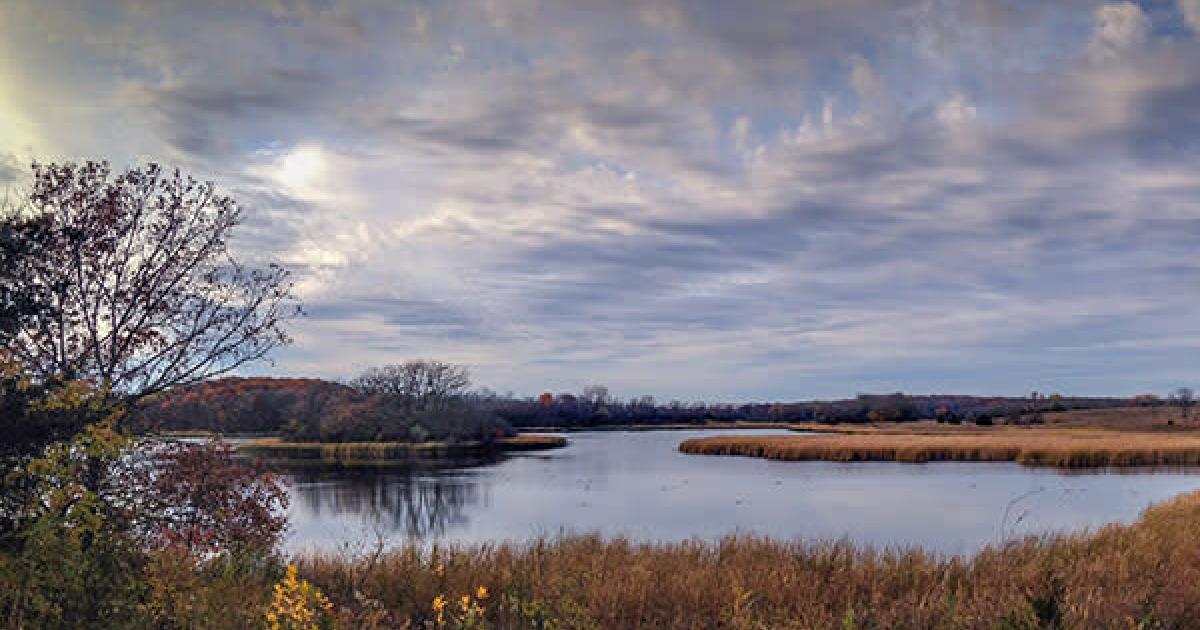
Here's where 2026 looks different from a Nickle Dickle Day five years ago. A short drive east of downtown, Lake Waconia Regional Park has spent the last several years turning into something closer to a destination in its own right, and that changes the calculus for anyone deciding how to spend the weekend around the festival.
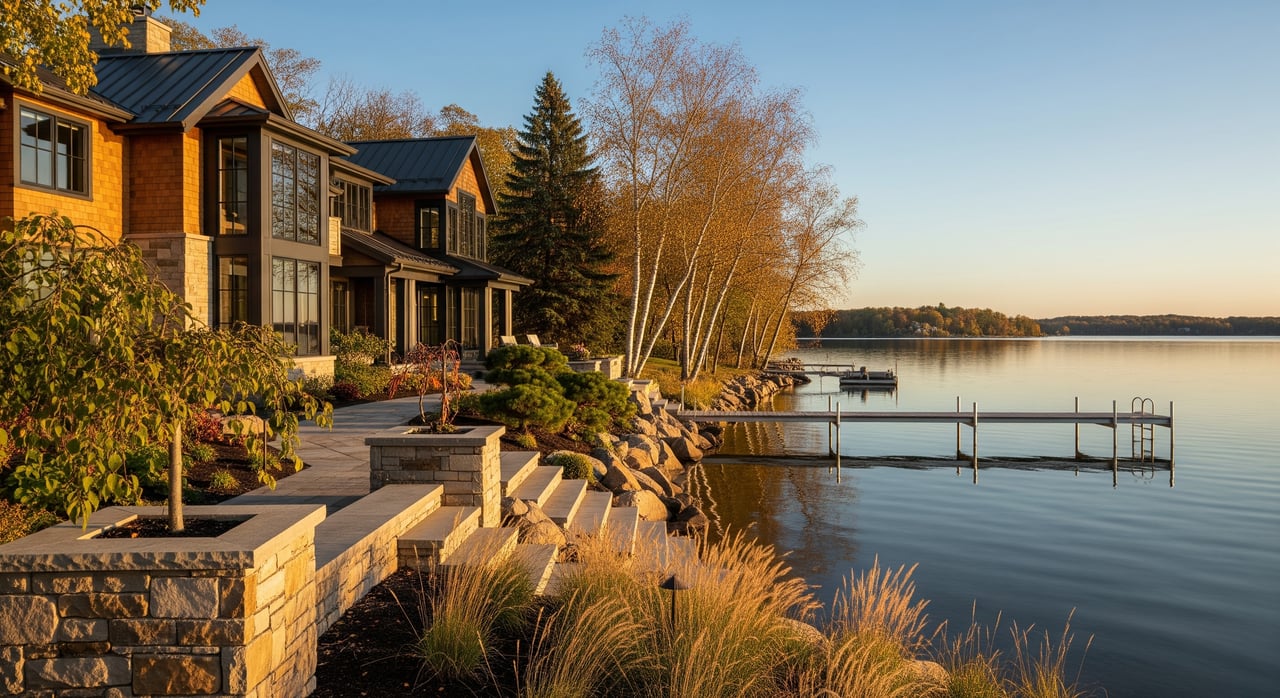
Paradise Commons, the park's waterfront gathering space, opened in 2024. It includes a Sun Room that seats up to 80 people for year-round reservations, with windows facing the lake, plus covered picnic shelters next door. The park itself sits on 164 acres along the lake's southern shore, with a swimming beach, a boat launch, and a 12-foot paved trail that now connects all the way into the city's own trail system, so a walk from a downtown neighborhood to the lakefront no longer requires a car.
The bigger change is Coney Island. The 34-acre island, listed on the National Register of Historic Places, once hosted the University of Minnesota football team's spring training between 1902 and 1905. Because of that historic designation, opening it back up took years of archaeological work to document what was left of roughly 40 structures that had stood on the island. Crews cleared old cabin sites, removed asbestos siding, and built a retaining wall to make an accessible trail possible down a 40-foot hillside. The result is about half a mile of walking trail connecting picnic grounds on the island's east and west ends, now open to the public during regular park hours.
None of that competes with Nickle Dickle Day directly. But it gives residents a real alternative for the quieter half of that same weekend, a lakefront walk with fewer people and no admission fee, sitting a few minutes from a downtown packed with 30,000 visitors.
The orchard opens on the same calendar page
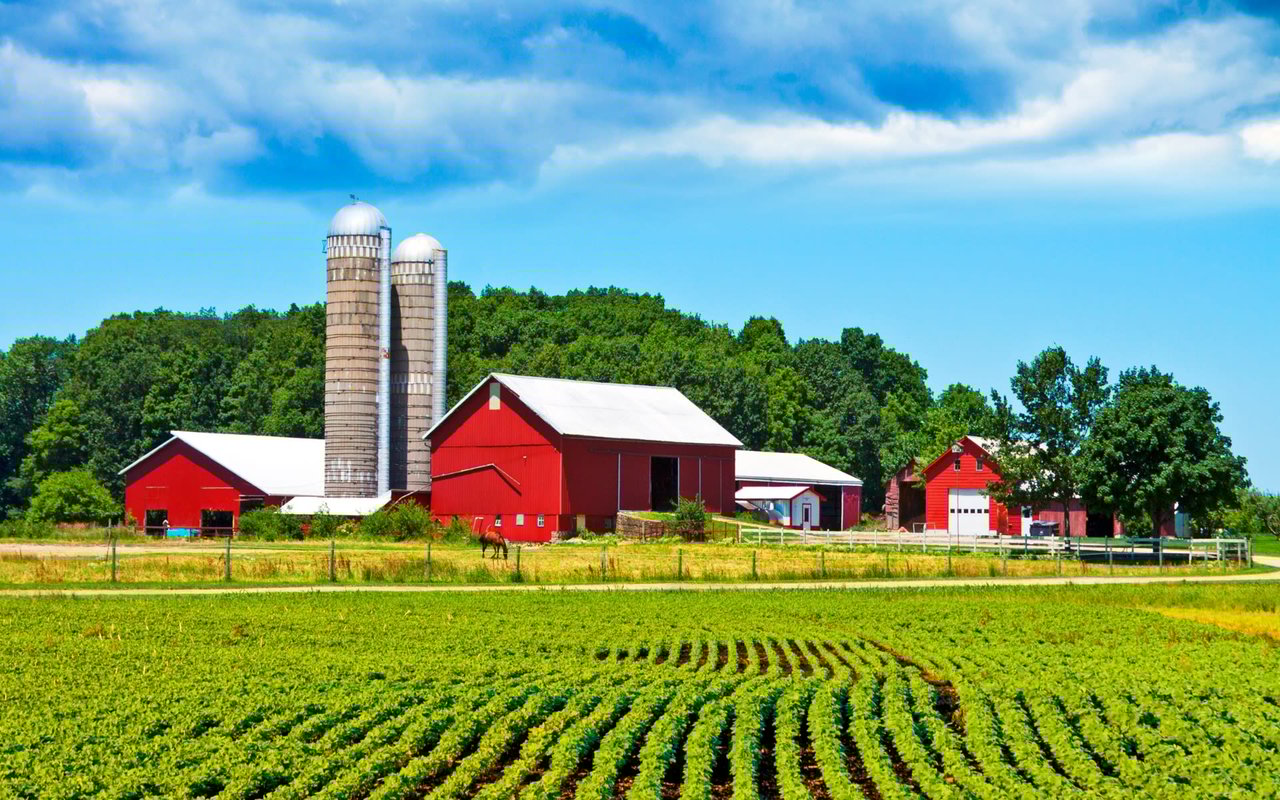
The third pull sits a few miles out Parley Lake Road, and its timing lines up almost exactly with Nickle Dickle weekend. Deardorff Orchards opens its apple season around Labor Day and runs it into October, which means by the time the medallion hunt clues start appearing in the Patriot in late August, the orchard is preparing to open for its season.
The farm itself has been around since Lin and Bonnie Deardorff moved out from the city in 1980 and started what would become an apple-growing operation not long after. Lin, who calls himself "the dirt guy," still runs the growing side. What's grown into a 120-acre operation with more than 3,000 apple trees now also houses Parley Lake Winery's tasting room inside the original 1888 barn, a partnership Lin built with winemaker Steve Zeller. Visitors get a complimentary tractor-pulled wagon ride with a purchase of apples or wine, and the property sells pumpkins, mums, and honey alongside the fruit.
For a Waconia household, that means around Nickle Dickle weekend, the orchard a few miles away is in its early apple weeks, with tractor rides and a wine tasting room operating in parallel. Ten years ago, the choice on a September Saturday was mostly downtown or nothing. Now it's downtown, the lake trail, or the orchard, sometimes all three across a single weekend.
What the split actually says about the town
None of this means Nickle Dickle Day is losing ground. It still pulls the same 30,000 people it always has, and the merchants who count on that Saturday are counting on it again this year. What's changed is what surrounds it. A town that used to have one obvious place to be in mid-September now has three, and that's not really a story about a festival. It's a story about a place that's grown enough infrastructure, at the lake and out on the county roads, to support more than one gathering point at a time without any of them shrinking.
That kind of layering, a downtown event, a county park expansion, and a family farm all pulling weekend traffic in the same ten-day window, is usually a sign of a town that's filling in rather than spreading out. It's the kind of detail that doesn't show up in a listing description, but it's exactly the texture that makes Waconia feel different to live in this September than it did a few Septembers ago.
If you're weighing what a home near this kind of calendar is actually worth, or you're curious how Waconia's growth is showing up in local market activity, the team at The Hancock Group tracks both the events and the numbers behind them. Request a free home evaluation and we'll walk you through what's happening on your block, not just in the headlines.