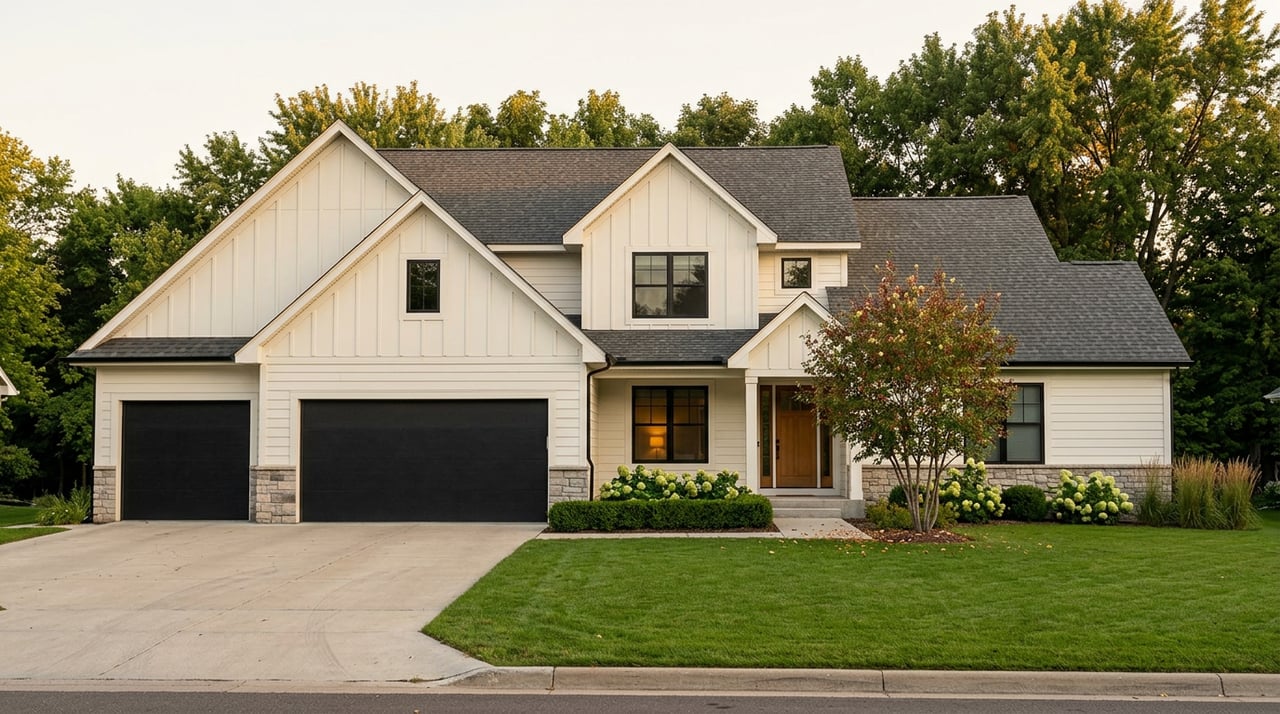
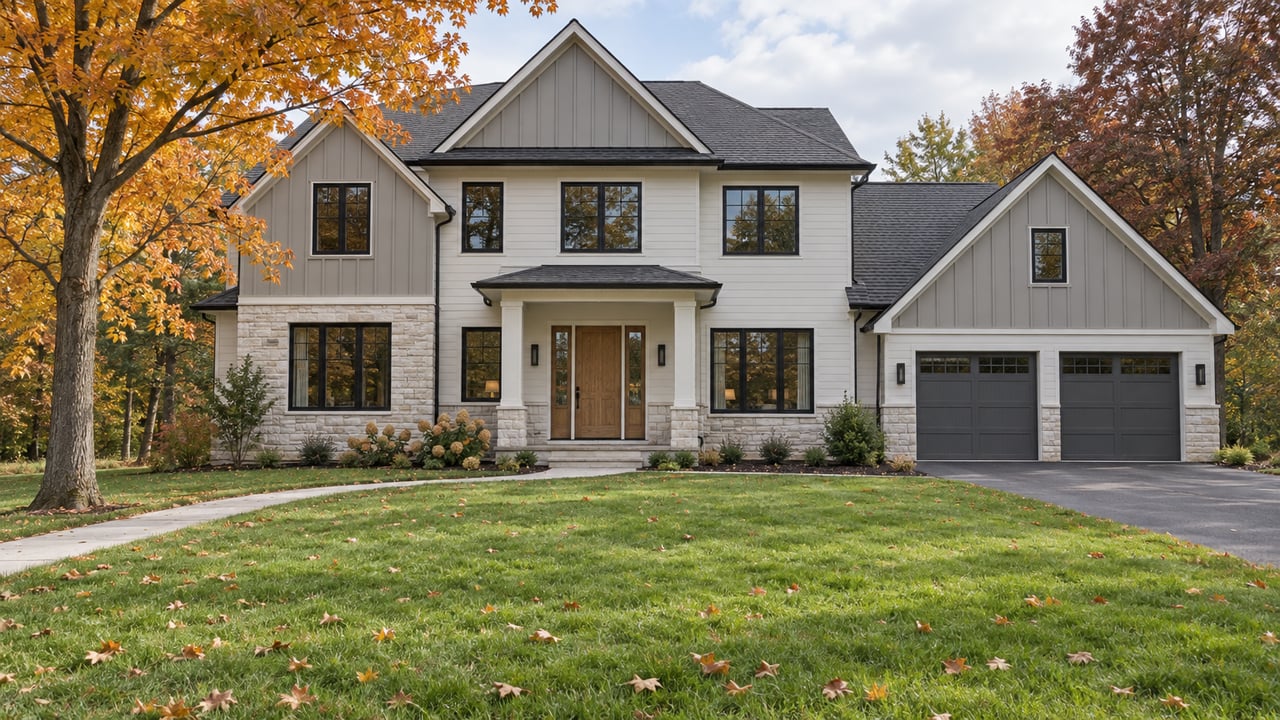
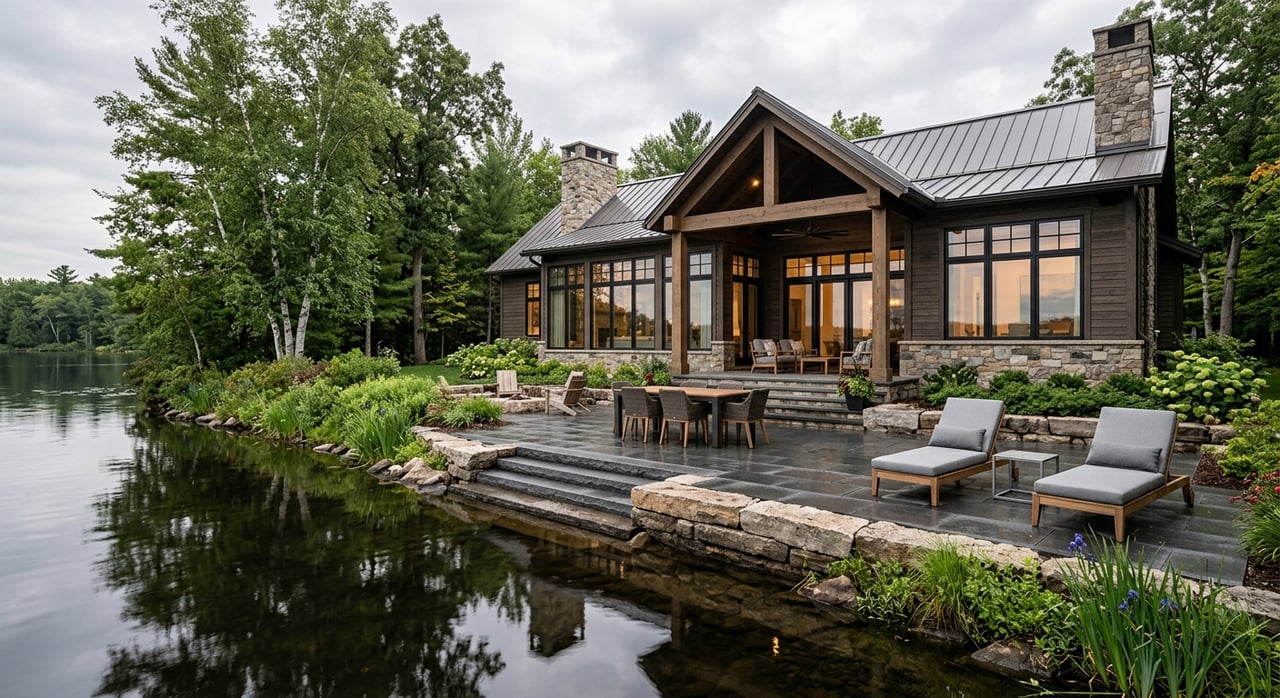
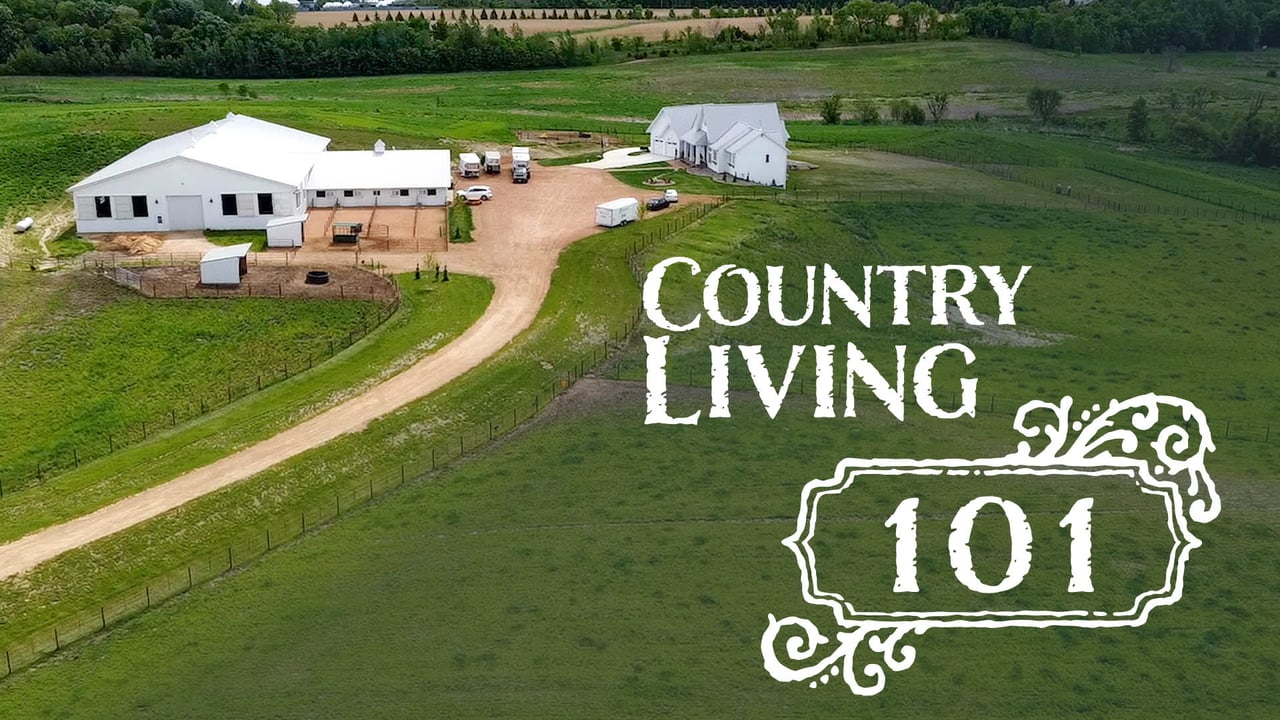
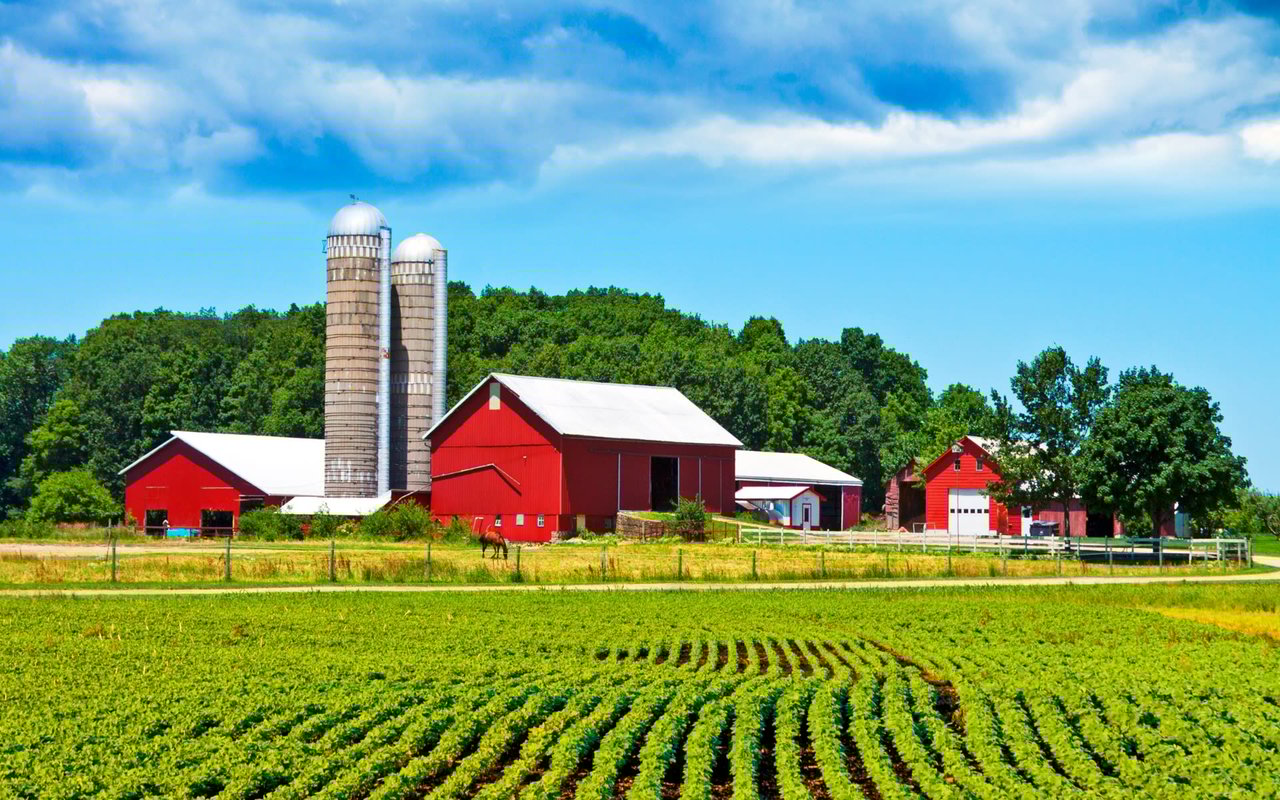
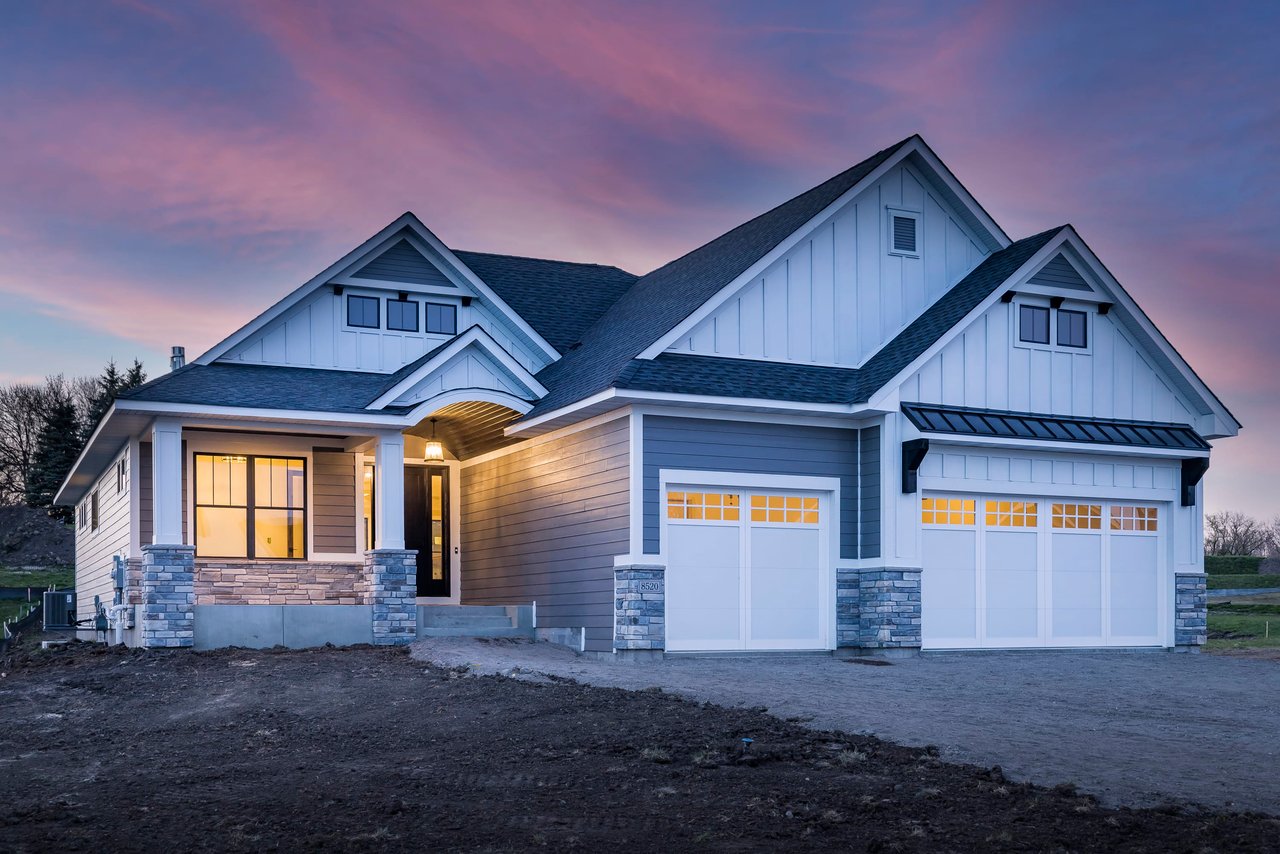
Dreaming about more space without giving up the Twin Cities entirely? If you want room for a barn, a garden, a few animals, or simply more breathing room, acreage near the metro can be a great fit. The challenge is knowing where to look and what to check before you fall in love with a property. Let’s dive in.
Where acreage is easiest to find
If you are searching for acreage near the Twin Cities, the strongest area to focus on is the southwest metro. Based on county planning and land-use guidance, Carver County and the rural townships around Prior Lake in Scott County are some of the most relevant places to start.
That pattern is not random. Carver County describes itself as being just southwest of the Twin Cities and says its long-term land vision is to preserve a rural area where agriculture remains the principal land use. Scott County also makes an important distinction between city zoning and township zoning, which can shape what you can actually do with a property.
Carver County acreage areas
Carver County is often the main acreage corridor for buyers who want land near the Twin Cities. The county includes cities such as Chaska, Chanhassen, Victoria, Waconia, and Cologne, along with more rural townships like Benton, Camden, Dahlgren, Hancock, Laketown, San Francisco, Waconia Township, Watertown Township, and Young America Township.
In practical terms, acreage opportunities are usually found on the township edges around these communities rather than in the denser city centers. That is especially important if you are moving from a more typical suburban home and want a property that functions like true rural land, not just a larger lot.
Waconia and nearby townships
Waconia is a useful area to understand because it sits at a transition point between suburban growth and rural land. The city’s planning materials support farming and very low-density housing in adjacent townships, including a benchmark of one house per 40 acres in some areas.
That helps explain why acreage near Waconia often appeals to buyers who want a rural setting with practical access to metro job centers, shops, and services. You can get more space, but the surrounding planning framework still matters.
Chaska and the outer edge
Chaska offers a similar story on the metro edge. Local planning materials note that growth is directed toward municipalities, while rural character, farmland, and open space are meant to be preserved outside those more urbanized areas.
For you as a buyer, that often means the acreage search near Chaska is less about the city itself and more about outer-edge parcels and nearby township land. A property’s mailing address may sound familiar, but the governing rules may come from a township or county office instead of the city.
Prior Lake and Scott County acreage
If your search is centered farther east in the southwest metro, the area around Prior Lake deserves close attention. Prior Lake sits on the southwest edge of the Twin Cities metro, and the surrounding township areas play a major role in the local acreage market.
Scott County’s Rural Residential Service Area Detailed Area Plan covers a large area in Spring Lake, Credit River, Cedar Lake, and New Market townships. The county’s planning work in this area focuses on long-term rural development, road access, groundwater, and stormwater impacts, all of which matter when you are evaluating hobby-farm or horse-friendly property.
Why township location matters
In Scott County, the exact location of a parcel matters more than many buyers expect. The county handles planning and zoning in townships, while cities handle their own planning and zoning.
That means two properties that look almost identical online may come with very different rules depending on whether they are inside city limits or in a township. Before you assume you can add a barn, keep horses, or build an arena, you need to confirm the property’s jurisdiction.
What zoning can change
When you buy acreage, you are not just buying land. You are also stepping into a local framework of zoning, setbacks, building requirements, and land-use rules.
In both Carver and Scott counties, those rules can shape how the property works day to day. That is why acreage shopping usually requires more due diligence than shopping for a home on a standard suburban lot.
Barns and accessory buildings
Carver County requires building permits for structures larger than 200 square feet, and site plans are required for new construction and additions. The county also notes that accessory structures must meet setback and accessory-building standards.
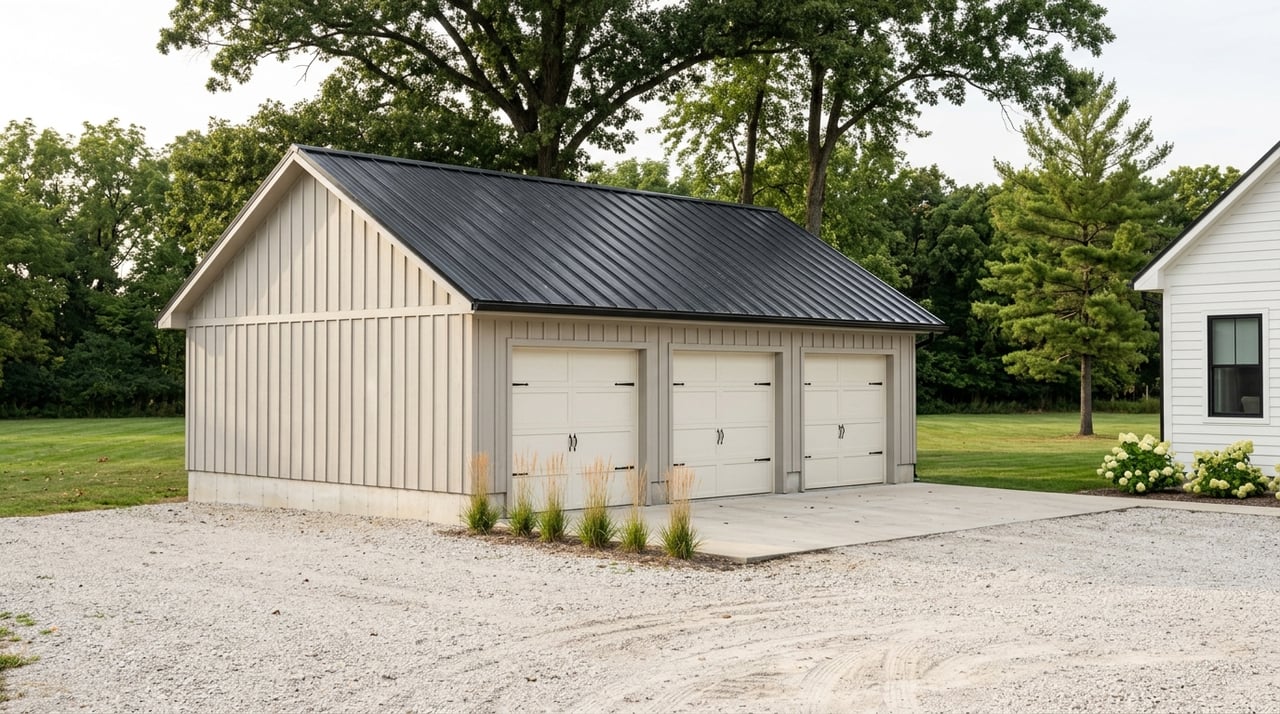
That matters because many buyers assume a large parcel automatically allows a pole shed, detached garage, or barn. In reality, the size of the lot is only one piece of the puzzle. The structure still has to meet local standards.
Setbacks and variances
Setbacks are one of the most common issues on acreage. Carver County notes that a 10-foot house-to-property-line setback is common, and even being one foot too close can trigger the need for a variance in township areas.
This is one reason site-plan review matters so much. If you hope to build, expand, or add outbuildings later, confirming the layout early can save time, money, and frustration.
Horses and animal use
For buyers looking at hobby farms or horse properties, acreage alone does not tell the whole story. Scott County planning materials say staff can explain setback rules, animal limits, accessory-building requirements, and fence standards, and county ordinances include specific rules for private horse riding arenas and public stables.
Carver County also states that the number of farm animals allowed can depend on factors such as acreage, zoning district, and the distance to certain nearby uses. So if your goal includes animals, you should verify what is allowed before you close.
Wells and septic on rural property
One of the biggest lifestyle shifts on acreage is moving from public utilities to private systems. If the property has a private well and septic system, those systems become a key part of your due diligence.
Private well testing
The Minnesota Department of Health says private well owners are responsible for their own water testing. It recommends testing for coliform bacteria every year and nitrate every other year, using an accredited laboratory.
If you are used to city water, this is an important adjustment. A private well can work very well, but it comes with ongoing maintenance and testing responsibilities.
Septic site limits
The Minnesota Pollution Control Agency says septic systems are governed by both state rules and local ordinances, and local governments review designs and issue permits for most systems. It also notes that some sites may require mound-style drainfields due to high water tables, shallow bedrock, or challenging soils.
That means the size of the parcel does not automatically guarantee septic flexibility. The specific site conditions matter.
Scott County septic review
Scott County adds another layer that buyers should know. The county requires septic compliance inspections in several situations, including new system installations, bedroom additions, certain system changes, and sometimes when an accessory structure is added and acceptable soil or system information is not available.
For older acreage in particular, a septic review can be one of the most important steps before closing. It helps you understand both current condition and future project limits.
How acreage value really works
It is easy to assume that more acres always mean more value. In reality, acreage is often valued by usability, build rights, and land classification as much as by total size.
The Minnesota Department of Revenue says property is generally taxed at estimated market value tied to highest and best use, while agricultural value excludes non-agricultural influences. It also says programs like Green Acres and Rural Preserve may reduce taxes for qualifying agricultural land by using lower agricultural value instead of higher market value.
Build rights matter
Carver County’s materials add useful local context. Its Agricultural Preserve program is voluntary, much land outside cities may be eligible, and enrolled land must continue to be used principally for agriculture, with no more than one home per 40 acres.
That helps explain why two parcels with the same acreage can feel very different in the market. A smaller parcel with clear building eligibility, a usable homesite, and practical options for outbuildings may be more attractive than a larger tract with heavy limitations.
What to compare on each listing
If you are narrowing down acreage listings near the Twin Cities, focus on function, not just the acre count. A smart comparison list can help you avoid surprises.
Here are some of the biggest items to review:
- Whether the parcel is in a city or a township
- Whether there is a buildable homesite
- Whether the property already has a well and septic system in place
- Whether a barn, pole shed, or accessory building can be added without a variance
- Whether zoning supports your intended animal use or horse setup
- Whether setbacks or site conditions limit future plans
- Whether tax treatment reflects market value, agricultural value, or an agricultural preservation program
When you compare acreage this way, you get a clearer picture of how the property will actually live. That is often the difference between a large lot and a property that truly fits your lifestyle goals.
If you are thinking about buying or selling acreage in the southwest Twin Cities, local guidance matters. The right property is not just about location and land size. It is about zoning, usability, infrastructure, and long-term fit. If you want help sorting through acreage options in Carver County, Scott County, or nearby communities, connect with The Hancock Group.
FAQs
Where is the best place to look for acreage near the Twin Cities?
- The strongest search area is typically the southwest metro, especially Carver County and the rural townships around Prior Lake in Scott County.
Why does township versus city location matter for acreage?
- City parcels and township parcels can follow different planning and zoning rules, which can affect building rights, animal use, setbacks, and accessory structures.
Can you build a barn or pole shed on any acreage parcel?
- Not always. Local rules may require permits, site plans, setback compliance, and in some cases a variance before an accessory building can be approved.
What should buyers know about wells on acreage properties?
- Private well owners are responsible for ongoing water testing, and Minnesota health guidance recommends regular testing for coliform bacteria and nitrate.
Does more acreage automatically mean you can have more animals?
- No. Animal use can depend on zoning, parcel size, nearby land uses, and other local standards, so you should verify allowed uses before buying.
What should you compare when reviewing acreage listings near the Twin Cities?
- Focus on jurisdiction, buildability, well and septic status, zoning, setback limits, animal-use rules, and whether the property supports your planned use.