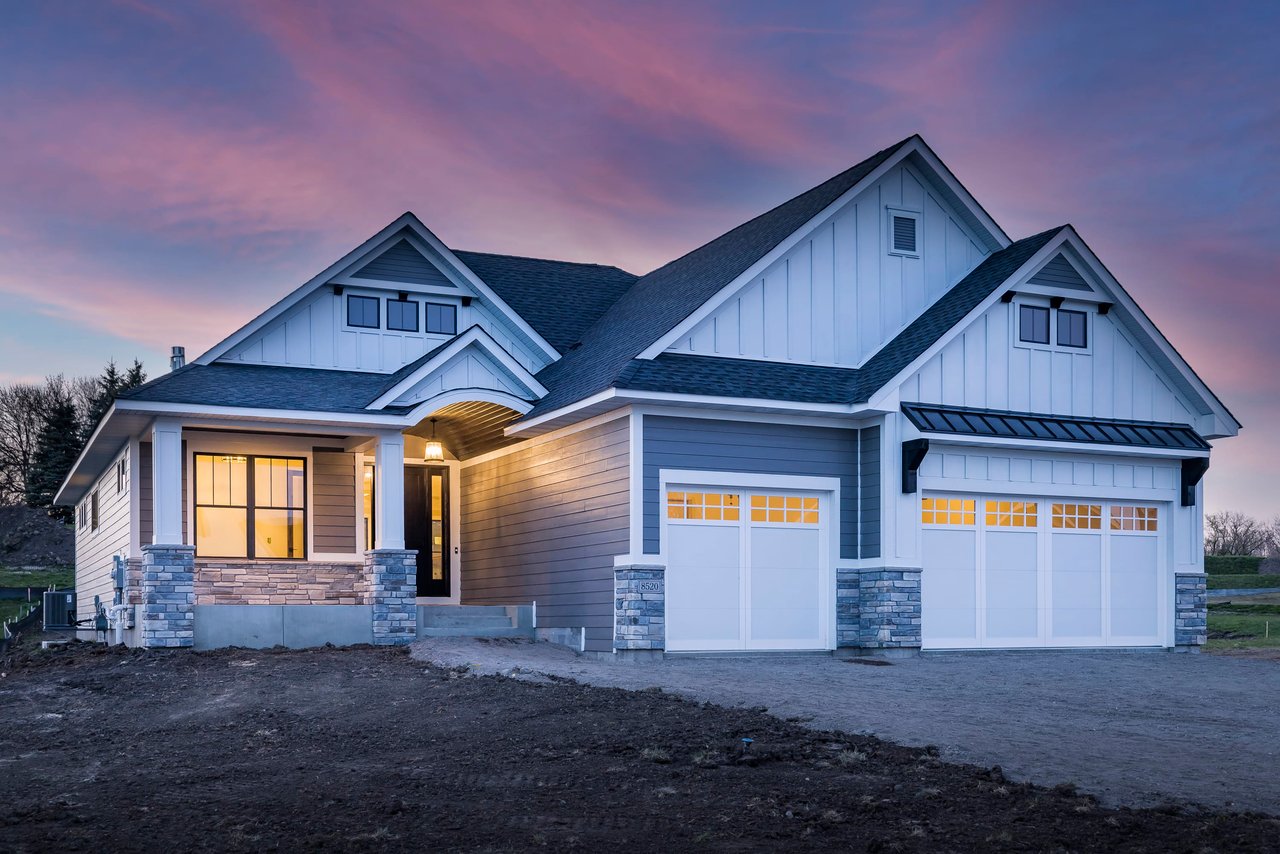
If you own a rental in Shakopee, property management is not just about collecting rent. It is about keeping your property leased, handling repairs on time, following local rules, and protecting your income with a clear system. If you are an everyday landlord juggling work, family, or other investments, the right support can make owning a rental far more manageable. Let’s dive in.
Why Shakopee landlords need systems
Shakopee is a growing market with an estimated 48,401 residents and 16,655 households, according to the U.S. Census Bureau QuickFacts for Shakopee. The same source reports a 10.7% population increase from the 2020 base to the July 1, 2025 estimate, along with a median household income of $107,223. For landlords, that growth helps support ongoing rental demand.
Rent data varies by source, so it is smarter to think in ranges than in one exact number. Zillow’s Shakopee rental market trends show a broad citywide rental range from about $700 to $3,499, while Point2Homes rent data for Shakopee reports that 45% of rentals fall between $1,001 and $1,500 and another 45% fall between $1,501 and $2,000. In other words, many Shakopee rentals compete in a fairly tight pricing band, which makes accurate pricing and quick turnover especially important.
Vacancy also matters. Point2Homes reports a 3.7% rental vacancy rate in Shakopee for larger apartment properties, which suggests a relatively tight market even though it is measured differently from national vacancy data. For a small landlord, that can mean every week of downtime between tenants has a real impact on annual returns.
What full-service management should include
A good property manager does much more than answer the phone when something breaks. According to NARPM’s guide to hiring a property manager, core services typically include tenant screening and placement, rent collection, maintenance coordination, lease enforcement, legal compliance, and financial reporting. For everyday landlords, that list functions like an operating system for the whole rental.
In practical terms, full-service property management should help you with:
- Market-based rent positioning
- Listing and marketing your vacancy
- Applicant screening and lease preparation
- Rent collection and late-payment follow-up
- Maintenance requests and repair coordination
- Lease enforcement and renewal tracking
- Move-in, move-out, and periodic inspections
- Monthly owner statements and communication
That matters because rental performance is usually shaped by the details. A clear process for pricing, showing, screening, repairs, and renewals can help reduce vacancy days, improve tenant communication, and keep your property in better condition over time.
Shakopee rental licensing rules
If your property is non-owner-occupied, Shakopee requires a rental license. The City of Shakopee rental license page states that all rental units must be licensed, inspected every three years, and supported by proof of paid taxes, hazard or fire insurance, and liability insurance. The city also says licenses are valid for 36 months with annual renewal.
That is a major reason local property management matters. The city will not issue a license until deficiencies are corrected, so inspections, maintenance planning, and paperwork all affect how quickly you can place or keep tenants. For a landlord trying to manage a rental on nights and weekends, these steps can easily become a bottleneck.
R-HOME adds another local requirement
Shakopee also has the R-HOME program, which adds another layer to the rental process. According to the City of Shakopee R-HOME program page, rental properties must complete Phase I within one year of receiving a rental certificate, and properties with four or more units must complete Phases I, II, and III.
The city says Phase I training covers applicant screening, stronger rental agreements, proactive management, fire safety, warning signs of drug activity, the role of police, and the eviction process. The same page also states that background checks must be completed on all prospective tenants before occupancy. For owners, this means compliance is not separate from management. It is part of the day-to-day workflow.
Minnesota screening rules matter
Tenant screening can help reduce risk, but it has to be done carefully and consistently. The Minnesota Attorney General’s landlord and tenant handbook explains that if a landlord charges a screening fee, the landlord must disclose the screening service’s name, address, telephone number, and the screening criteria in writing before accepting the fee. The handbook also states that rejected applicants must be notified within 14 days of the criteria that were not met.
The same handbook says landlords cannot charge a screening fee when no unit is available or before prior applicants have been processed. If a tenant report is used to reject an applicant or change rent or deposit terms, the landlord must provide an adverse-action notice and the screening company’s contact information. These steps are not optional, and they need to be handled the same way for every applicant.
Consistent screening is also important from a fair housing perspective. The Minnesota Human Rights Act prohibits housing discrimination based on protected classes listed in the Attorney General’s handbook, so criteria should be objective, documented, and applied evenly. For small landlords, a documented screening process can help you stay organized and compliant at the same time.
Maintenance is a legal and financial issue
Repairs are not just a customer-service issue. In Minnesota, they are also a legal obligation. Under Minnesota Statute 504B.161, landlords must keep premises and common areas in reasonable repair, exterminate pests, and provide heat of at least 68°F from October 1 through April 30.
For Shakopee landlords, that means maintenance needs to be tracked and handled quickly. During Minnesota winters, heating issues can become urgent fast. A property manager with a repair process, vendor network, and emergency response workflow can help protect both your tenant relationship and your property.
Deposits and move-out procedures need structure
Security deposits are another area where details matter. The Minnesota Attorney General’s handbook states that landlords must offer a move-out inspection within five days before the tenancy ends when requested. It also says the security deposit plus 1% interest must be returned within 21 days after the tenancy ends, unless the landlord provides a written explanation for lawful deductions.
Allowed deductions are limited. The handbook says landlords may withhold for unpaid rent, damage beyond ordinary wear and tear, or other money owed under the tenancy. For owners, this is where strong documentation, inspection notes, photos, and organized accounting can make turnover smoother and reduce disputes.
What monthly reporting should look like
One of the biggest benefits of professional management is visibility. NARPM notes that monthly financial statements are a core part of residential property management. That means you should not have to guess what happened at your property last month.
At a minimum, owners should expect regular updates on:
- Rent collected and any outstanding balances
- Maintenance completed or in progress
- Leasing activity and renewal status
- Turnover costs and vendor invoices
- Copies or summaries of monthly owner statements
Clear reporting helps you make better decisions. It also makes tax prep, budgeting, and performance tracking much easier over the course of the year.
How management supports better returns
For many landlords, the real value of management is time. But in a market like Shakopee, it can also be about revenue protection. When rental pricing is competitive and vacancy appears relatively tight, reducing downtime between tenants can have a meaningful effect on annual income.
That does not mean rushing the process. It means using a repeatable system for pricing, marketing, screening, make-ready work, and lease start dates. When those steps are coordinated well, your property is more likely to stay occupied and operate with fewer surprises.
What everyday landlords should look for
If you are comparing options, focus on process clarity as much as price. A solid management setup should make it easy to understand who handles leasing, how maintenance is approved, what gets documented, and how often you will hear from the team.
Here are a few smart questions to ask:
- How do you determine rent pricing for a Shakopee rental?
- What is your screening process, and how is it documented?
- How do you handle maintenance requests and emergency repairs?
- What support do you provide with rental licensing and inspections?
- What do monthly owner statements include?
- How do you manage move-out inspections and security deposits?
The goal is simple. You want a partner who can help you run your rental like a business while keeping communication clear and practical.
If you own a rental home in Shakopee and want a more reliable system for leasing, maintenance, compliance, and owner communication, working with an experienced local team can make a real difference. Connect with Samantha Hancock to explore property management support that fits the needs of everyday landlords.
FAQs
What does full-service property management include for a Shakopee rental?
- Full-service management generally includes pricing, marketing, tenant screening, lease coordination, rent collection, maintenance handling, lease enforcement, compliance support, and monthly financial reporting, based on NARPM’s residential management guidance.
Does Shakopee require a rental license for non-owner-occupied property?
- Yes. The City of Shakopee requires a rental license for all non-owner-occupied rental properties, along with periodic inspections and supporting documentation.
What are the screening rules for Minnesota landlords?
- The Minnesota Attorney General says landlords who charge screening fees must give written disclosures in advance, follow screening criteria consistently, and provide required notices if an application is denied or terms are changed based on a tenant report.
What are Minnesota rules for security deposits and move-out inspections?
- The Minnesota Attorney General says landlords must offer a requested move-out inspection within five days before tenancy ends and return the deposit plus 1% interest, or a written explanation for deductions, within 21 days.
Why does quick turnover matter for Shakopee rental owners?
- Rent data suggests many Shakopee rentals compete in the roughly $1,000 to $2,000 range, and Point2Homes reports a relatively low vacancy rate, so reducing downtime between tenants can meaningfully support annual rental income.