Looking at Chaska as a place to buy a single-family rental? You are not alone, but this is a market that rewards careful planning more than quick assumptions. If you want to understand where the demand is, what the numbers may look like, and what local rules can affect your return, this guide will help you make a smarter move. Let’s dive in.
Why Chaska Draws Rental Investors
Chaska has a strong suburban housing base with a clear owner-occupied majority, but it is not an owner-only market. Census QuickFacts shows 67.6% of housing units in Chaska are owner-occupied, with 11,051 households and 2.58 persons per household. It also reports that 26.4% of residents are under 18, which points to steady demand for homes that offer more space and practical layouts.
That matters if you are considering a single-family rental. In a market like Chaska, you are generally not chasing a large pool of apartment-style renters. Instead, you are often appealing to households looking for extra bedrooms, storage, outdoor space, and access to everyday amenities.
What the Rental Market Suggests
Chaska’s housing plan shows a long history of tight rental conditions. The city reported a 0.7% rental vacancy rate in 2014, far below its roughly 5.0% healthy-vacancy benchmark, and by 2018 renter-occupied units had grown to 27.6% of the housing stock while total vacancy stood at 3.8%.
That does not mean every rental will perform the same way. It does suggest that well-positioned homes can benefit from limited supply, especially if they are in connected, convenient areas and offer the kind of layout many renters want in a suburban setting.
The city’s housing plan also highlights demand for walkable, well-connected neighborhoods and smaller, low-maintenance homes. For an investor, that can translate into favoring efficient single-family homes with functional living space over properties that require heavy upkeep.
Chaska Home Prices and Rent Math
If you are underwriting a deal in Chaska, it is important to stay realistic on cash flow. According to Minneapolis Area Realtors, Chaska had 423 closed sales in 2024, up 14.3% from 2023. The median sale price reached $465,500, homes averaged 41 cumulative days on market, and sellers received 98.6% of original list price.
Those numbers show an active resale market, but they also show that acquisition costs are not low. When prices move up faster than rents, your margin gets tighter unless you buy well or operate very efficiently.
Public rent benchmarks help frame the opportunity. HUD’s FY2025 Fair Market Rent schedule for Carver County lists gross rent benchmarks of $2,244 for a 3-bedroom unit and $2,513 for a 4-bedroom unit. Compared with Chaska’s 2024 median sale price of $465,500, that implies a rough gross yield of about 5.8% for a 3-bedroom and about 6.5% for a 4-bedroom before taxes, insurance, maintenance, vacancy, and management.
If a home rents closer to the city’s median gross rent of $1,553 per month, the picture changes quickly. That would imply a gross yield of about 4.0%, which is much less forgiving. In other words, Chaska is usually not a market where a median-priced home automatically delivers strong first-year cash flow.
What That Means for Investors
For many small landlords, the better strategy is simple.
- Buy carefully rather than chasing appreciation alone
- Focus on 3-bedroom or larger homes when possible
- Pay close attention to ongoing operating costs
- Treat vacancy control as a major part of your return
- Avoid assuming future add-on income from unverified property changes
This is a market that can make sense for long-term investors who want stable suburban demand. It tends to make less sense for buyers expecting easy, high-yield performance right out of the gate.
Best Property Type to Target
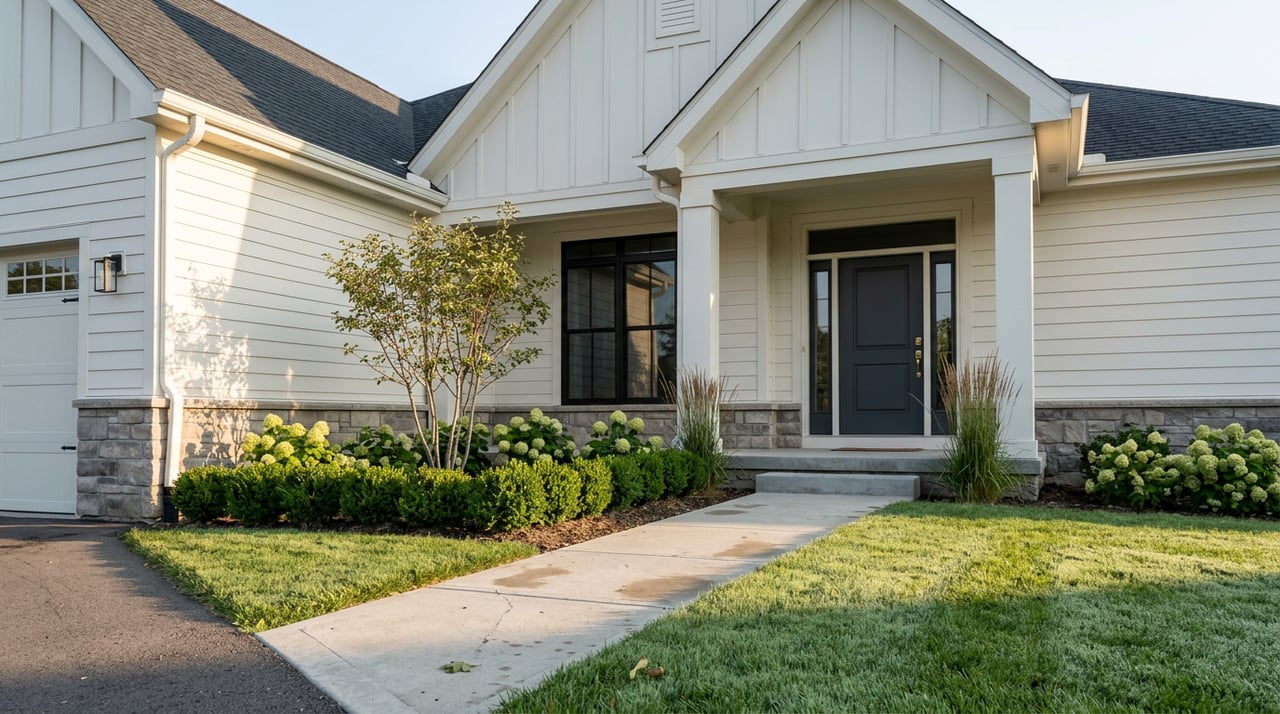
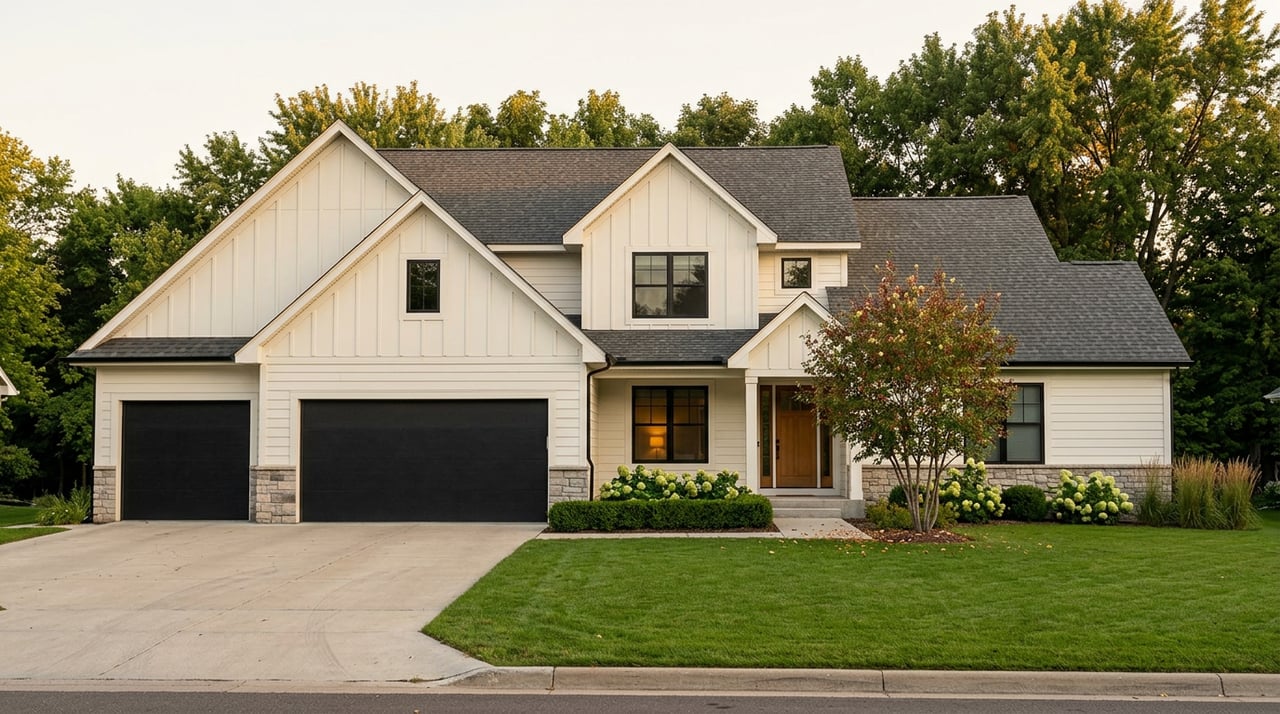
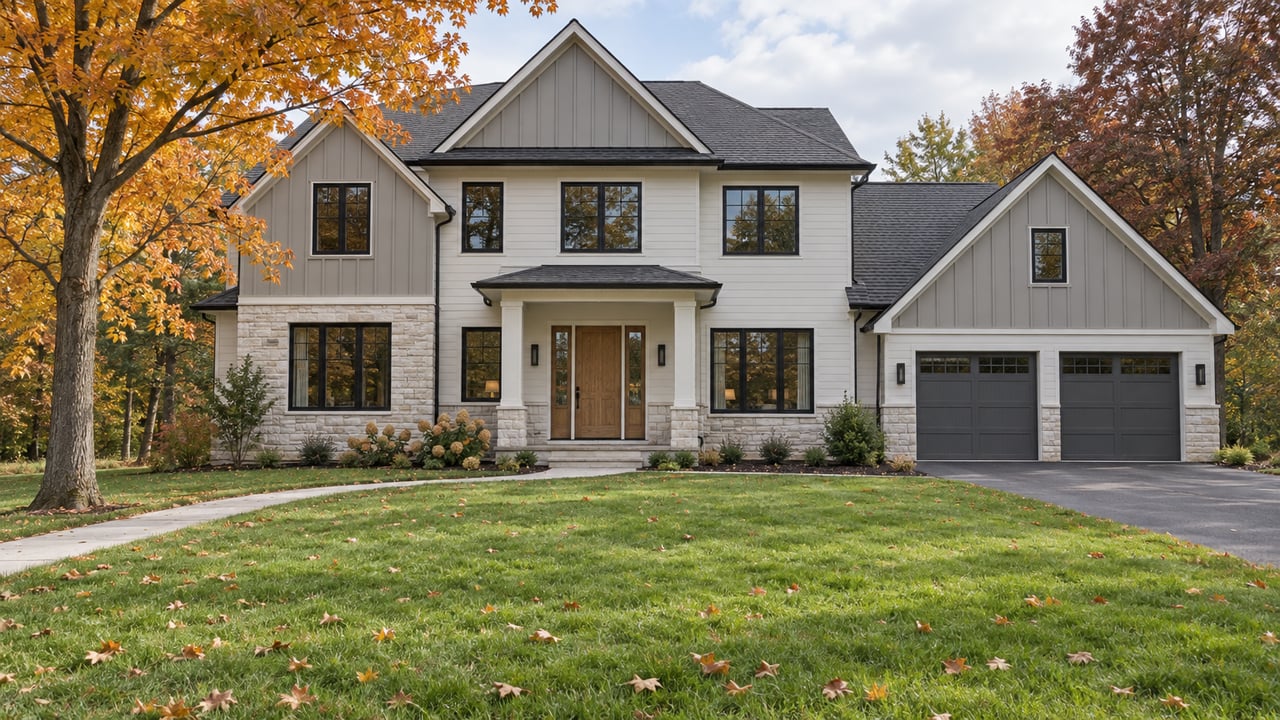
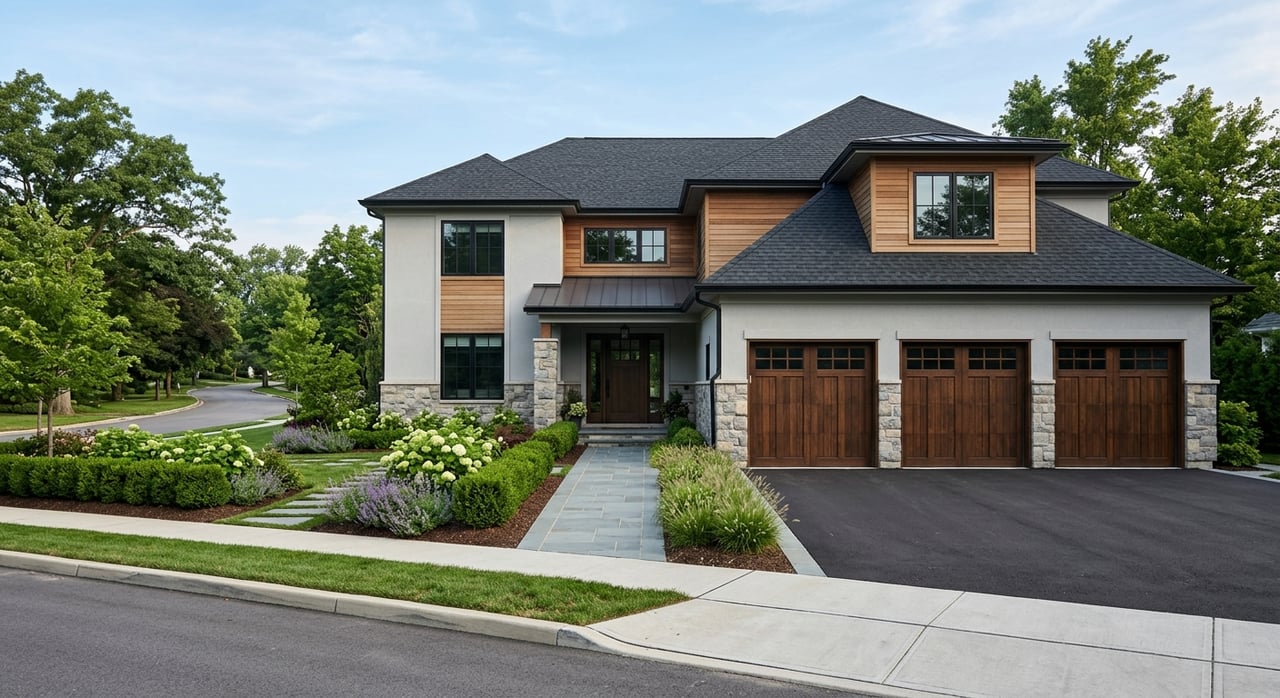
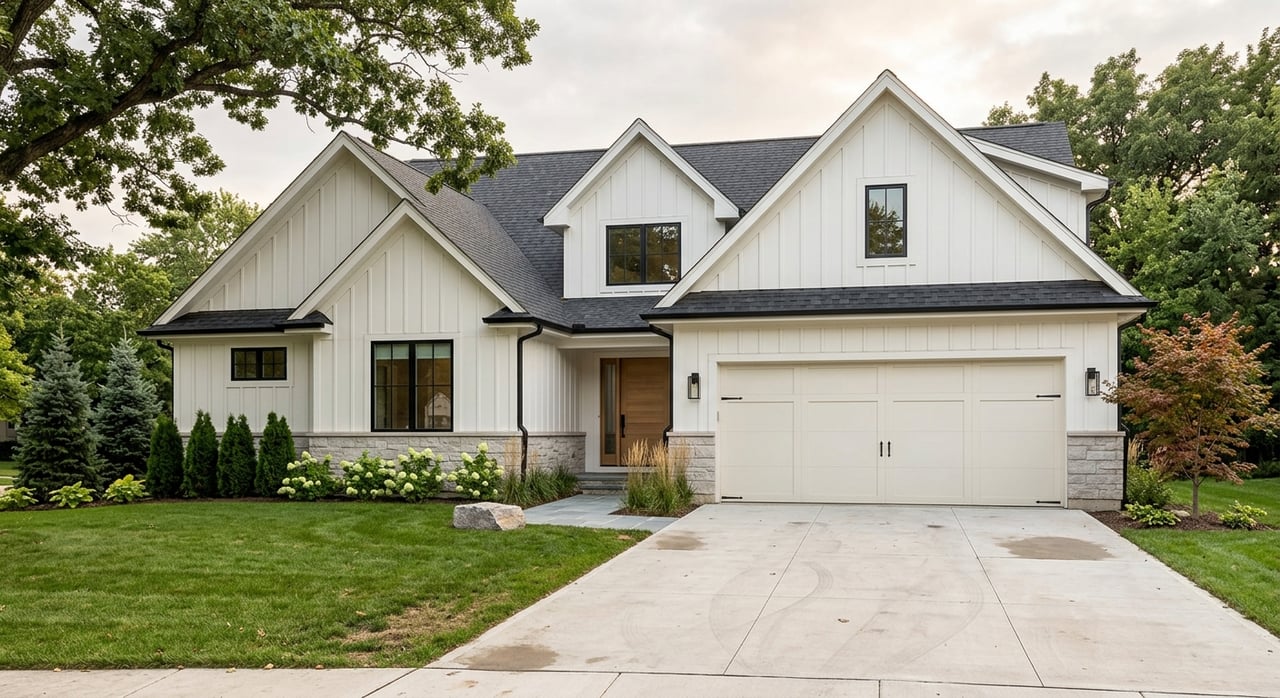
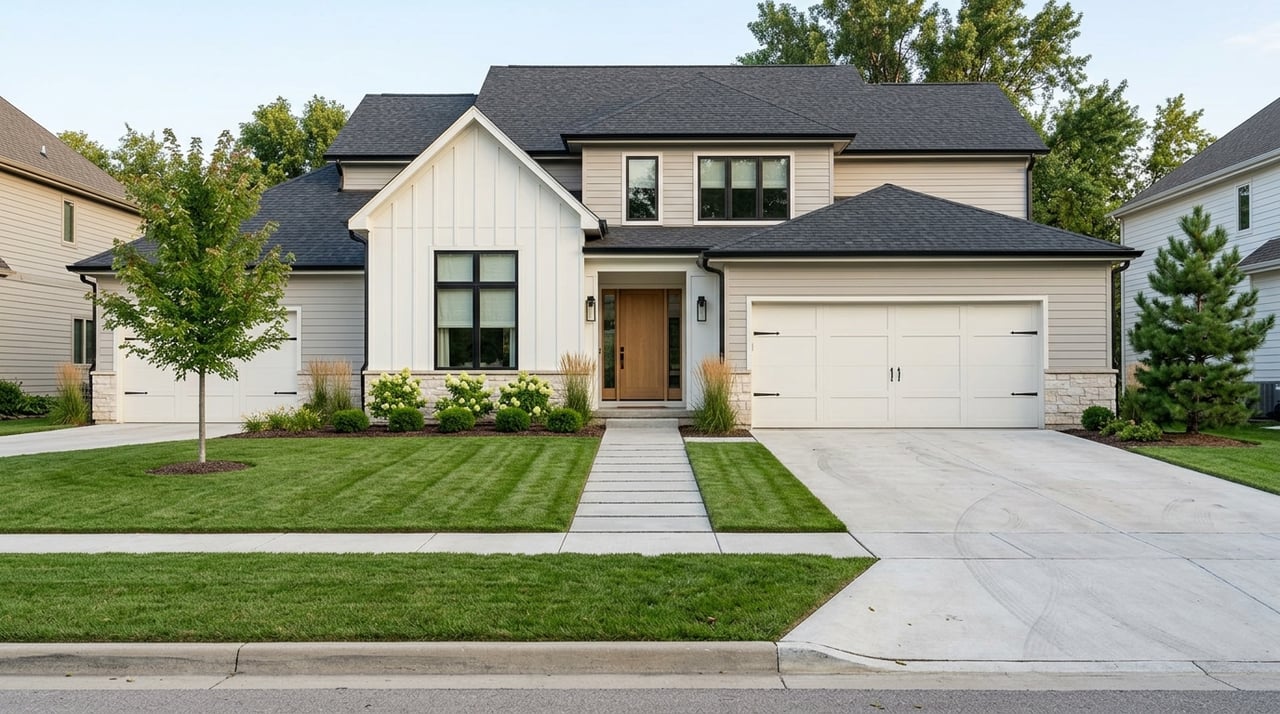
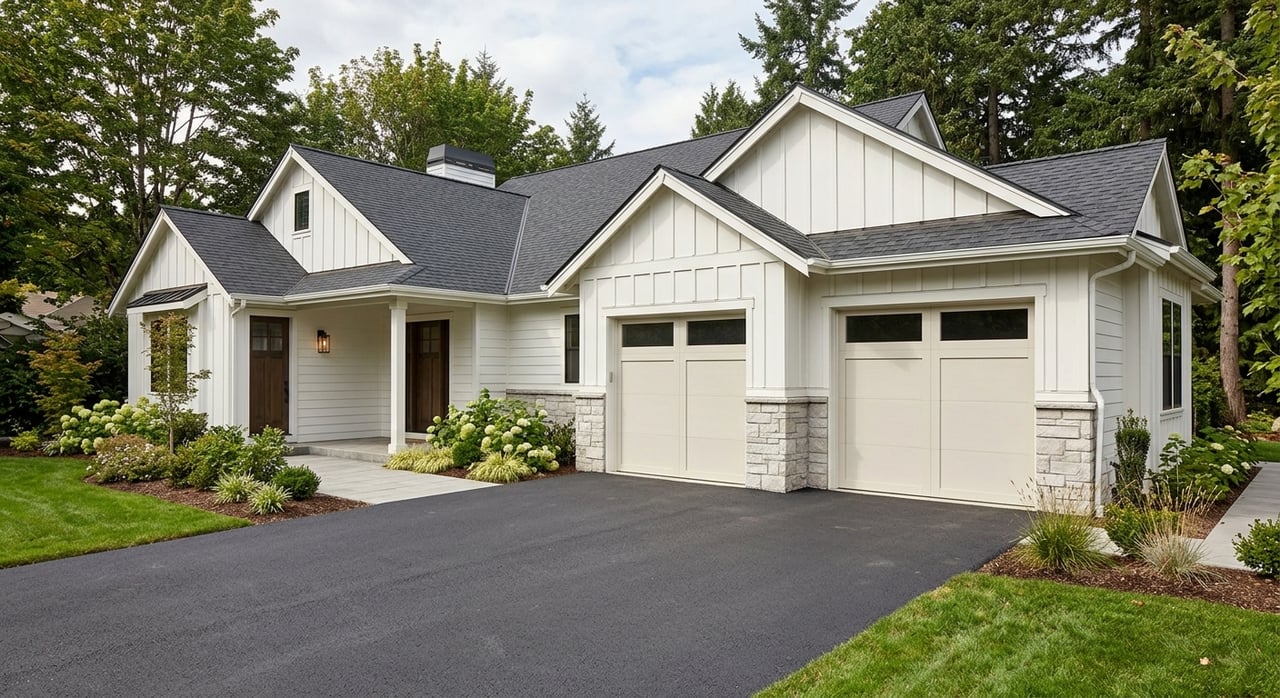
Detached single-family homes are the clearest fit in Chaska’s zoning framework. The city’s land-use materials identify detached single-family housing as a core residential type in low-density districts including R1, R1A, and R1B.
That gives investors a more straightforward path when evaluating traditional single-family rentals. It also means your underwriting should stay focused on the property as it exists today, rather than on speculative future changes.
One important example is accessory dwelling units. Chaska’s FAQ says ADUs are generally not allowed except with standards in Clover Ridge. If you are considering a property because you hope to add an ADU later, confirm that possibility before you build it into your numbers.
Neighborhood Traits That Can Help Performance
Not every part of Chaska competes the same way for renters. The city’s housing plan points to different housing patterns in downtown Chaska, Jonathan, and Clover Ridge, while newer growth areas in the west and south also continue to add housing options.
A practical takeaway is to look for homes that match the way renters actually live day to day. Properties near trails, parks, connected streets, and newer low-maintenance subdivisions may have an advantage because they align with the city’s emphasis on walkable, well-connected neighborhoods.
Chaska also offers a strong amenity base for a city its size. The city reports 578 acres of city-owned parks, nine community parks, 23 neighborhood parks, and more than 100 miles of trails. These features can support tenant appeal and lease renewal potential, especially for renters who want a home that fits an active suburban lifestyle.
New Construction Is Part of the Competition
One detail investors should not ignore is new supply. Chaska has active single-family development activity, including projects such as Highpoint Vista and Rivertown Heights. The city’s April 2026 lot inventory also listed 108 available single-family lots.
That means your resale rental may compete not just with other existing homes, but with newly built homes entering the market over time. If your property is older, deferred maintenance or outdated finishes can become a bigger issue when renters have newer options to compare.
This does not mean older homes cannot perform well. It means condition, presentation, and upkeep matter more in your leasing strategy.
Licensing and Compliance Matter in Chaska
Local compliance is a major part of owning a rental in Chaska. The city requires all rental dwellings to be licensed and to pass an initial inspection. After that, the rental license renews annually in January, and inspections are required every two years.
For a single-family rental, the city’s 2026 application lists a $100 fee. The city also states that late applications can trigger additional fees, and unlicensed units that remain out of compliance can face a misdemeanor ticket and a $500 penalty.
This is one reason organized systems matter. Even if you plan to self-manage, you need a reliable process for renewals, inspections, maintenance coordination, and documentation.
Why Property Management Can Protect Returns
In a market with moderate yields, avoidable mistakes can hurt fast. A missed renewal, a delayed repair, or extra vacancy between tenants can have a real effect on your annual return.
Chaska’s rental application also asks for management-company contact information when applicable, which shows how important organized oversight can be. For many small landlords, professional property management is less about convenience and more about protecting occupancy, compliance, and tenant experience.
That can be especially useful if you own one property, live outside the area, or want a more consistent process for screening, repairs, inspections, and lease turnover. In a market like Chaska, disciplined operations can be just as important as the purchase price.
A Smart Chaska Investment Approach
If you are considering investing in Chaska single-family rentals, a disciplined buy-and-hold approach is often the best fit. The local data supports a steady suburban rental market, but not one where every property works at any price.
A strong plan usually includes three things: buying with care, targeting the right home type, and managing the property with consistency. When you do that, Chaska can offer long-term appeal in a market with real household demand and strong neighborhood amenities.
If you want help evaluating a Chaska rental opportunity or support managing an investment property over time, The Hancock Group can help you approach the market with local insight and a practical plan.
FAQs
Is Chaska a good market for single-family rentals?
- Chaska can be a solid market for single-family rentals if you focus on careful acquisition, realistic cash-flow expectations, and strong property management.
What rent levels should investors expect in Chaska?
- Public benchmarks for Carver County show gross rent estimates of $2,244 for a 3-bedroom and $2,513 for a 4-bedroom, while Chaska’s median gross rent is reported at $1,553.
Do Chaska rental homes need a license?
- Yes. Chaska requires all rental dwellings to be licensed, to pass an initial inspection, to renew annually in January, and to complete inspections every two years after the initial inspection.
Are ADUs allowed with Chaska single-family rentals?
- Generally no, except where they meet standards in Clover Ridge, so you should verify property-specific rules before including ADU plans in your investment strategy.
What types of Chaska rentals may perform best?
- Based on the local data, 3-bedroom or larger single-family homes in connected, low-maintenance areas near parks, trails, and everyday amenities may offer the strongest tenant appeal.