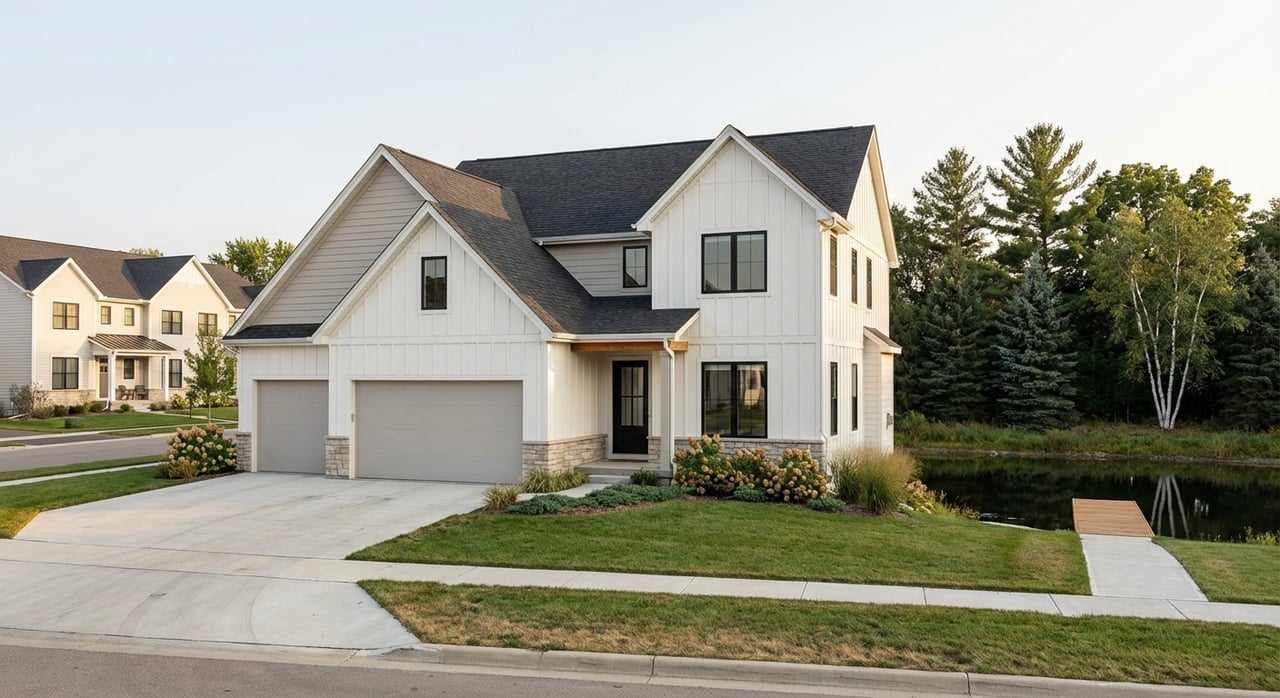
Thinking about selling your Chanhassen home? In a market where many homes move fast, the biggest mistake is assuming speed alone will do the work for you. If you want a smooth sale and a strong result, you need the right plan from the start. This step-by-step roadmap will show you how to prepare, price, market, and close with more confidence. Let’s dive in.
Understand the Chanhassen market
Chanhassen is still a strong seller market, but that does not mean every home can be priced aggressively and still perform well. Recent local data show a median sale price of $517,233, about 19 days on market, and a 101.0% sale-to-list ratio. Redfin also reports that 46% of homes sold above list price, while 18.7% had price drops.
That combination matters. It tells you buyers are active, but they are still paying attention to value and condition. In other words, a polished home with the right price can attract fast interest, while an overpriced listing can lose momentum quickly.
Carver County data also supports that pace. Zillow’s April 2026 snapshot shows homes going pending in around 17 days, with 330 homes for sale and 28.9% of sales over list price. Redfin classifies Chanhassen as very competitive, with some hot homes going pending in about 6 days.
Start planning before you list
Many sellers do not decide to move and list the next week. Zillow found that typical sellers often think seriously about selling for 2 to 3 months before listing, and some think about it for 6 months or longer. That planning window can work in your favor.
If you give yourself time, you can handle repairs, decluttering, staging, and paperwork without rushing. A 6 to 12 month runway is often more than enough to prepare thoughtfully and launch with less stress. Even a shorter timeline can work well if you focus on the right priorities.
Build your pre-listing checklist
Before your home hits the market, focus on the items that shape buyer first impressions and reduce last-minute issues:
- Deep clean every room
- Declutter surfaces, closets, and storage areas
- Depersonalize key spaces so buyers can focus on the home
- Tackle visible repairs and deferred maintenance
- Gather records for improvements, systems, and disclosures
- Plan staging and media before the listing goes live
This early work helps you avoid a rushed launch. It also makes it easier to present your home well during the first week, when buyer attention is usually strongest.
Prepare your home to stand out online
Most buyers start their search online, so your home needs to look great on screen before it can shine in person. Zillow says 79% of recent buyers shopped online, and nearly half said professional photos were extremely or very important to their experience.
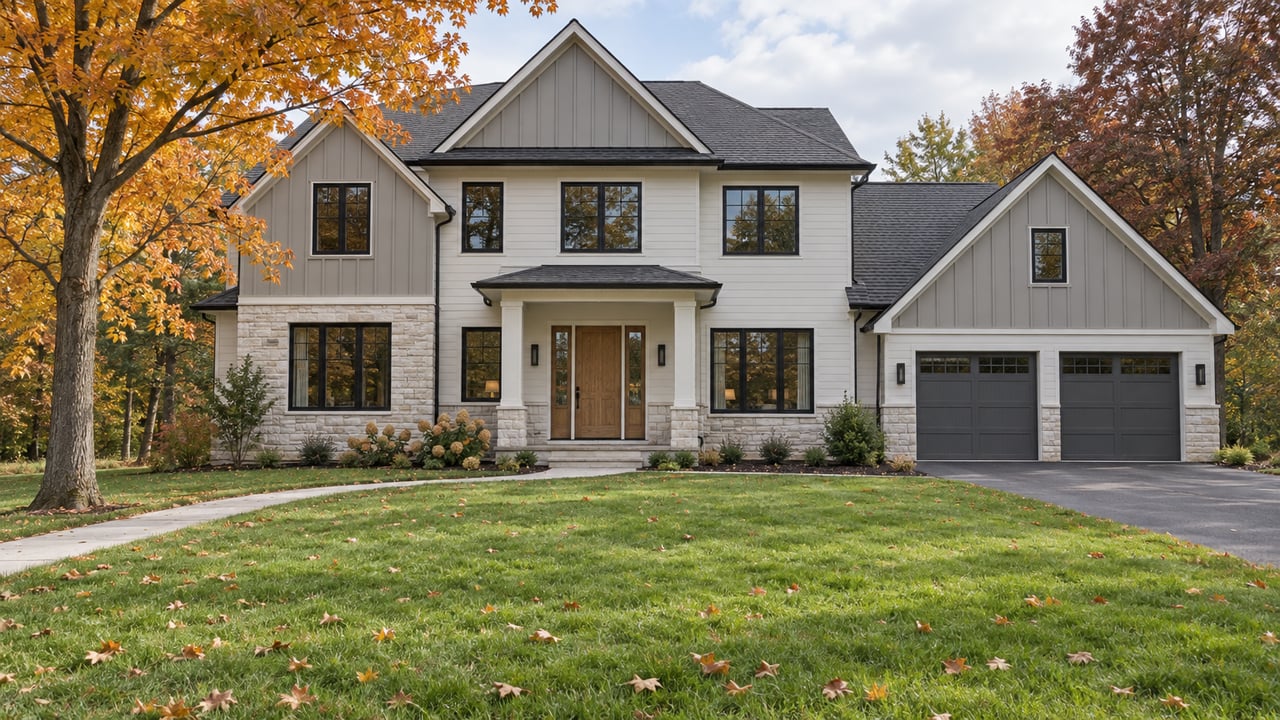
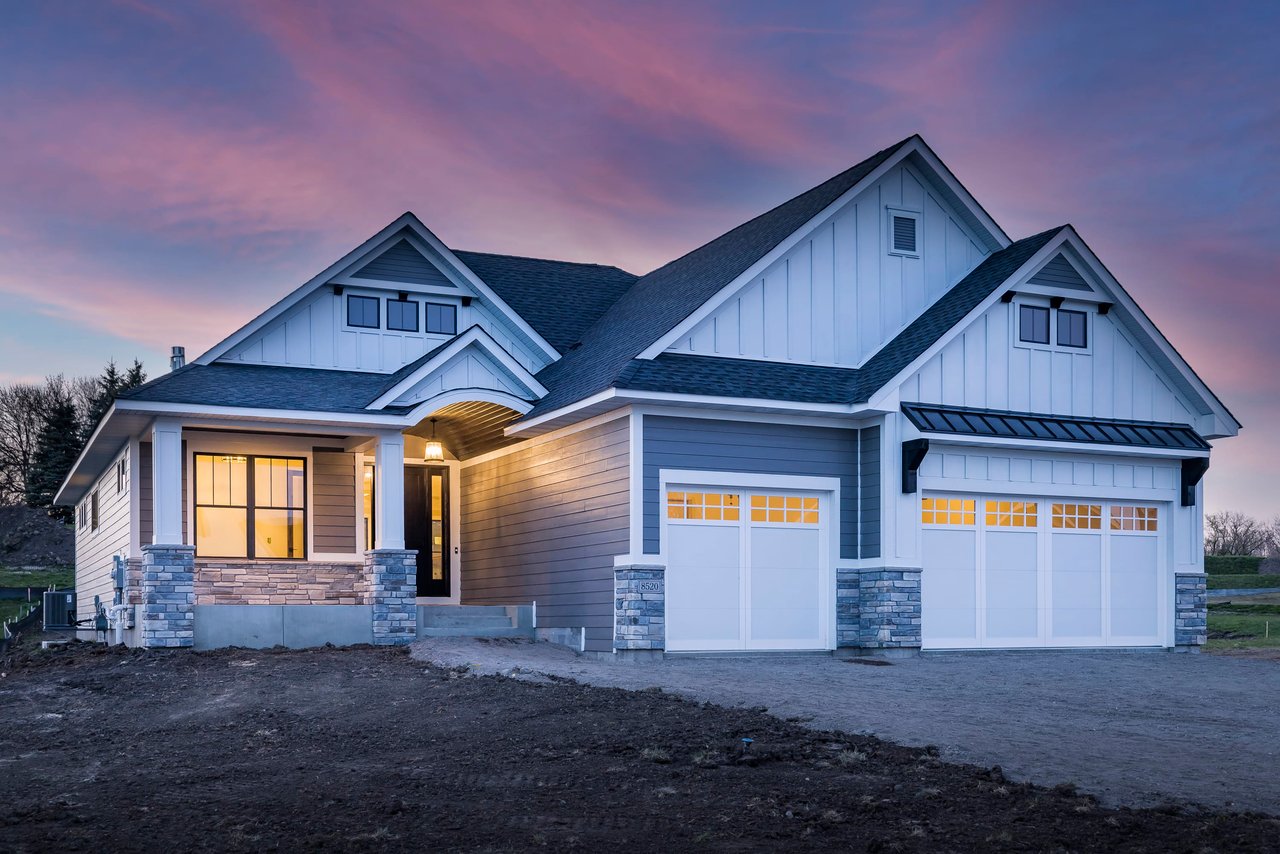
That makes presentation a core part of your selling strategy, not an optional extra. The Hancock Group’s marketing-first approach fits this reality well, with professional photography, aerial and twilight imaging, videography, virtual tours, staging, and floor plans built into how listings are brought to market.
Focus on the rooms buyers notice most
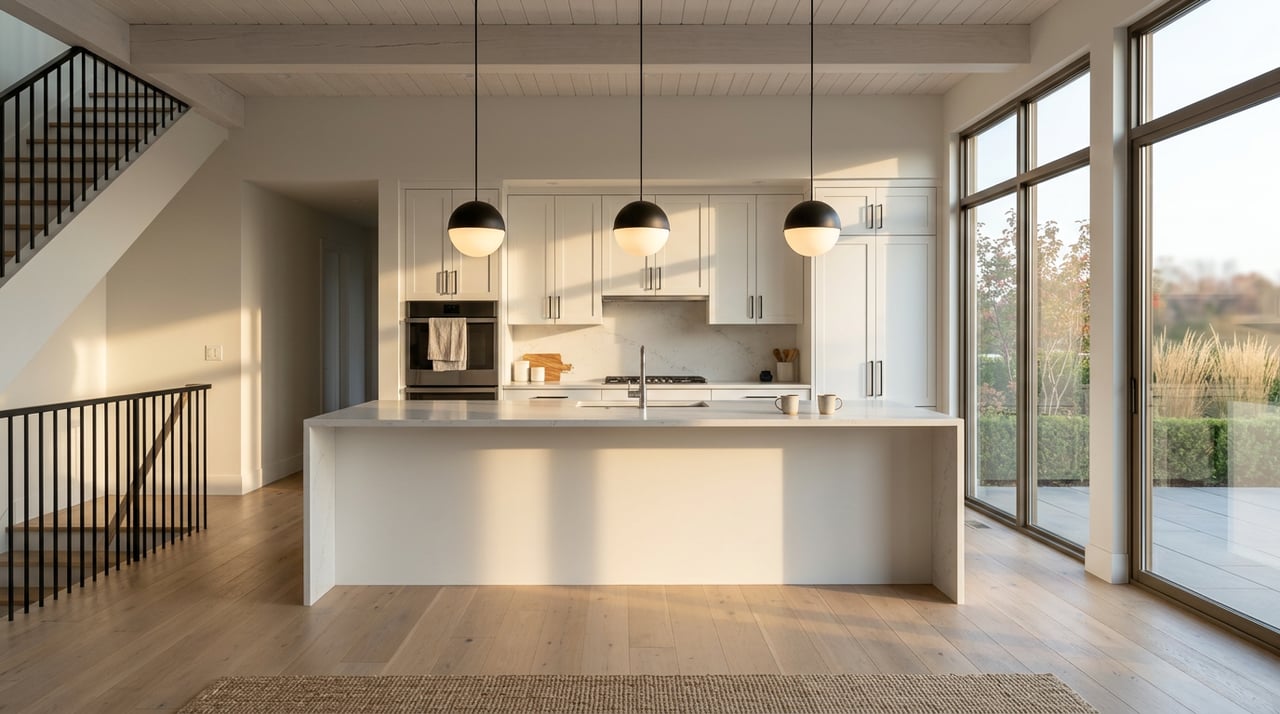
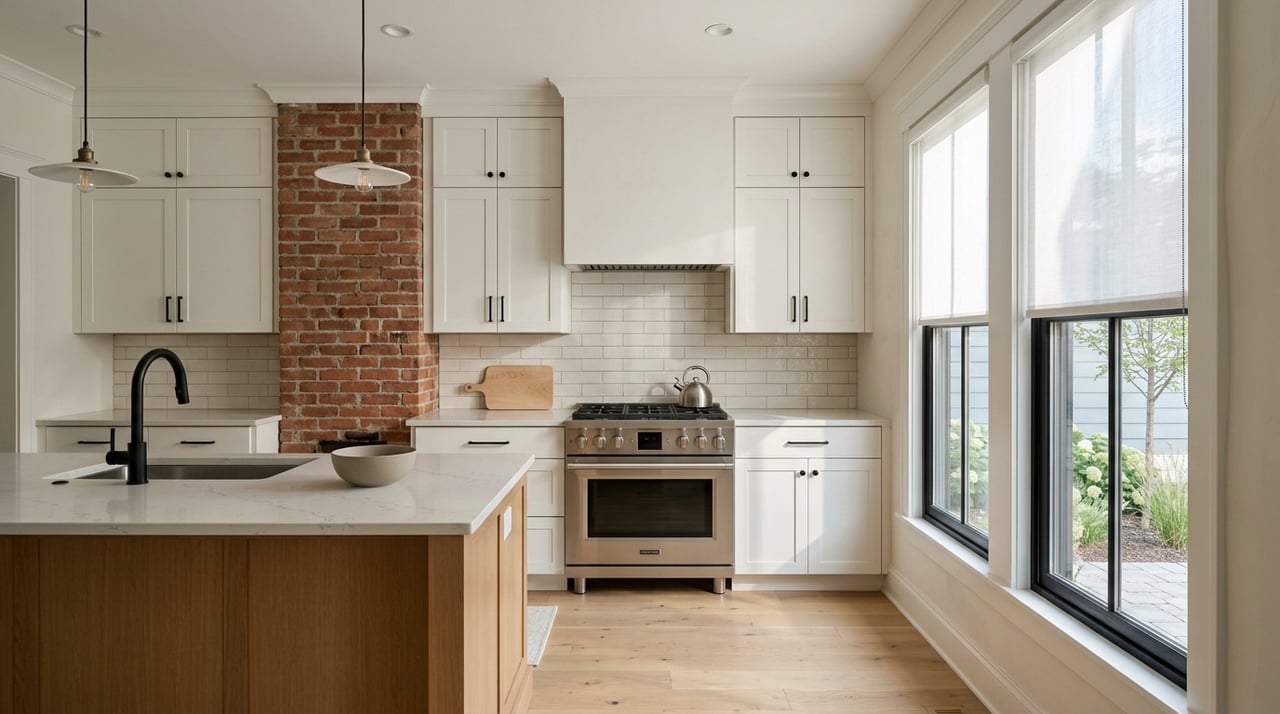
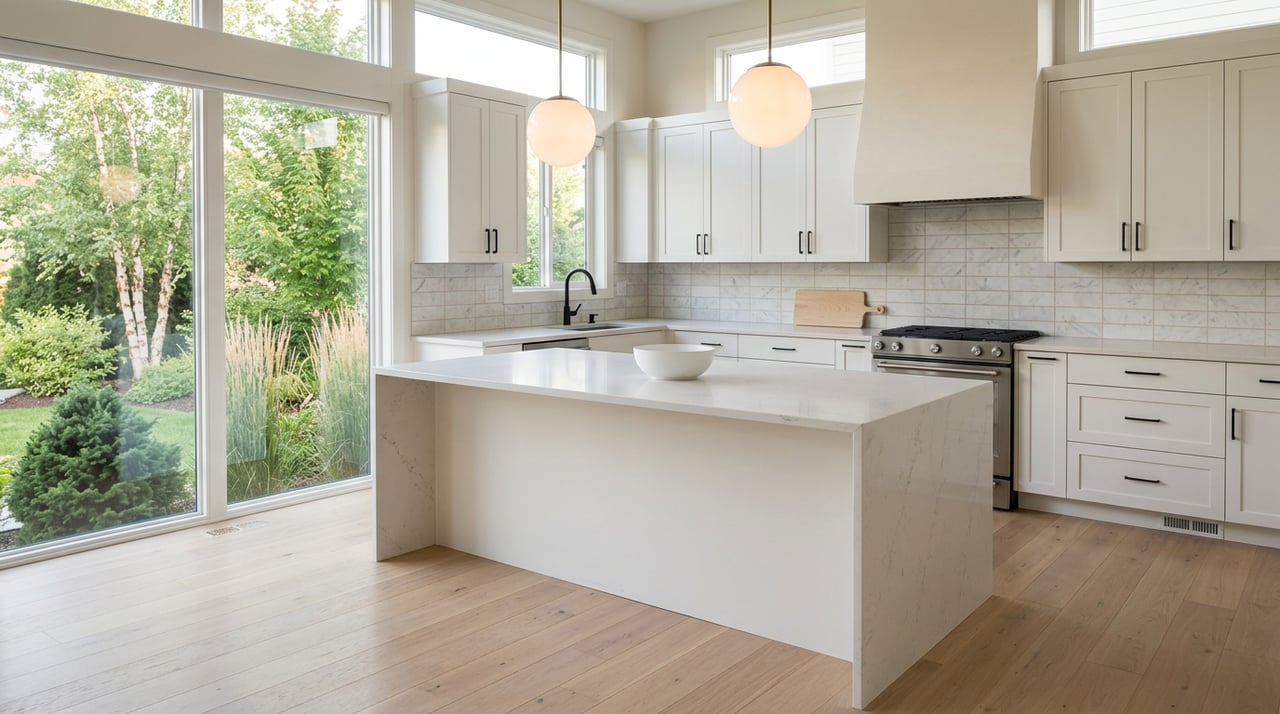
Not every room carries the same weight. According to the 2025 staging report from NAR, buyers’ agents said staging helps buyers visualize the property as a future home, and the living room, primary bedroom, and kitchen are the most important rooms to stage.
If you are deciding where to spend time and money, start there. Those spaces often shape the emotional reaction buyers have when they view photos, videos, or a showing.
Make the home photo-ready
A photo-ready home is clean, bright, and easy to understand. Zillow recommends opening blinds, using natural light, and removing clutter and personal items so buyers can see the layout clearly.
Accurate presentation matters too. Listing photos should reflect the home honestly, not rely on heavy editing that creates the wrong expectations. Buyers notice when a home feels different in person, and that gap can hurt trust.
Use the right amount of media
Zillow recommends 22 to 27 listing photos as an ideal range. Homes with fewer than 9 photos are about 20% less likely to sell within 60 days.
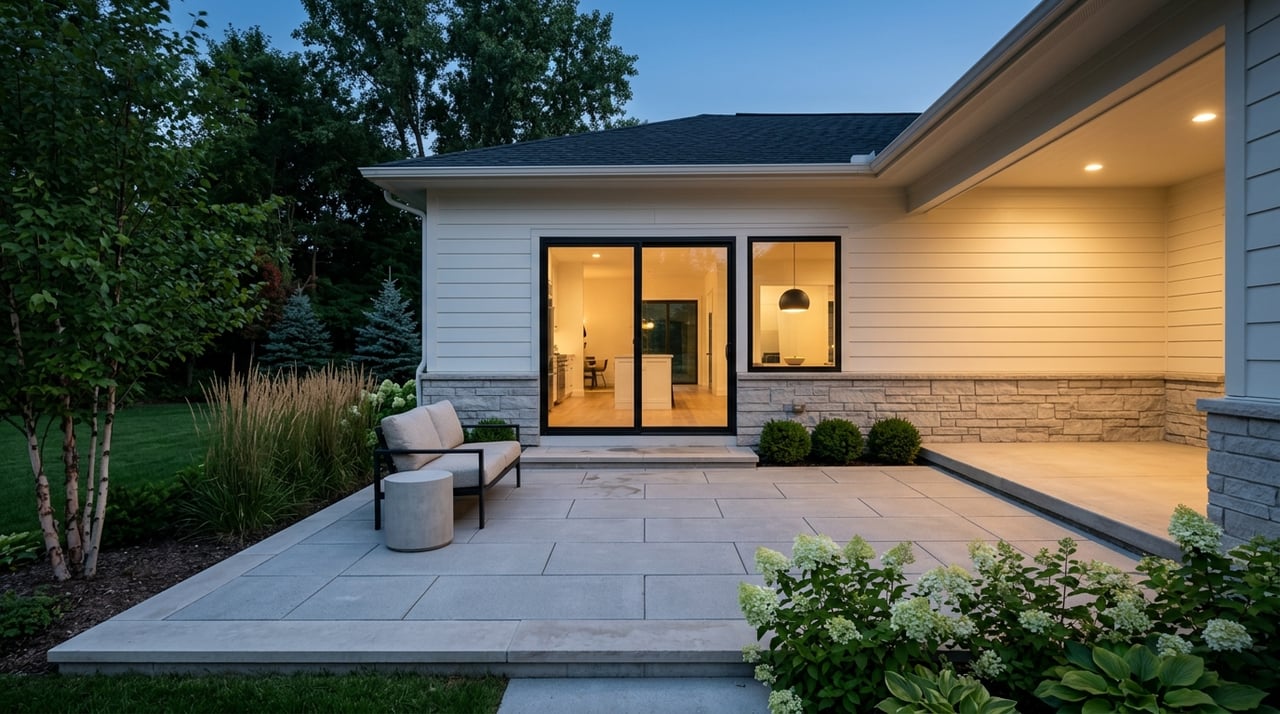
That does not mean more is always better. It means your media plan should tell a complete story of the home, including strong interior images and useful exterior shots. If your property has a patio, landscaping, pool, hot tub, shop, or outbuildings, those features should be included as part of the visual package.
Price for attention, not guesswork
Pricing is one of the most important decisions you will make. In Chanhassen, recent data show that many homes still sell above list price, but price drops are also common enough to be a warning sign.
The takeaway is simple: price based on recent comparable sales, current competition, and your home’s condition. Redfin’s local data suggest the average home sells for about 1% above list price and goes pending in around 17 days, while hot homes can sell for about 4% above list price and go pending in about 6 days.
That kind of market rewards accuracy. Minnesota Realtors also noted in its April 2026 report that sellers should price realistically, especially as monthly payments remain a major hurdle for many households.
Why realistic pricing works
A high starting price can sound appealing, but it often reduces early traffic and forces a later correction. In a fast-moving market, the first days on market are often your best chance to create urgency.
A well-priced home can attract stronger interest, better offer activity, and a cleaner negotiation. If buyers feel the value is there, they are more likely to engage quickly.
Get ready for offers and negotiation
In Chanhassen, negotiation is not always just about the top number. In a competitive market, sellers may need to compare offer strength across several terms.
Redfin reports that many homes get multiple offers and some buyers waive contingencies. That means your decision may involve balancing price, inspection terms, appraisal risk, financing strength, and closing timeline.
Compare offers with the full picture
When offers come in, look at more than list price alone. A stronger offer may include:
- Fewer contingencies n- A better match for your ideal closing date
- Stronger financing terms
- Less appraisal risk
- Fewer repair requests upfront
The best offer is the one that gives you the best mix of certainty, speed, and net proceeds. A smooth closing often starts with choosing the right contract, not just the highest headline number.
Handle Minnesota disclosures early
One of the smartest things you can do as a seller is gather disclosures before your home is listed. Minnesota law requires a written seller disclosure before signing an agreement to sell residential real property.
That disclosure must include material facts you know that could adversely and significantly affect an ordinary buyer’s use and enjoyment of the property or any intended use of the property. The disclosure must be made in good faith and based on your best knowledge at the time.
Key disclosures for Chanhassen sellers
Depending on your property, these disclosures may apply before a purchase agreement is signed:
- General seller disclosure for known material facts
- Radon disclosure, including test history, reports, mitigation information, and the required warning statement
- Lead-based paint disclosure for most homes built before 1978, including any known hazards and available records
- Well disclosure for the status and location of known wells on the property
- Septic or SSTS disclosure describing how sewage is managed and known compliance status when applicable
Handling these items early can prevent delays later. It also helps buyers feel more confident that the transaction is being managed carefully.
Keep closing paperwork on track
A fast sale can still slow down near closing if documents are missing. That is why local paperwork and recording details matter.
Carver County notes that state deed tax is collected when the deed is recorded. The county also requires a certificate of real estate value when total consideration exceeds $3,000, and well information is required if an eCRV is completed. The county also states that SSTS disclosure is required on all property transfers, and lists a $54 fee for a completed well disclosure certificate.
Know the deed tax rule
Minnesota deed tax is 0.33% of net consideration. The Minnesota Department of Revenue notes that the taxable basis can include seller-paid closing costs and other items included in the purchase price.
You do not need to memorize every detail, but you do want your records organized early. Having disclosures, well or septic information, and property details assembled before listing or right after accepting an offer can help keep the transaction moving.
Follow a simple Chanhassen selling roadmap
If you want a practical way to think about the process, use this roadmap:
- Review your timing and goals
- Study recent Chanhassen comparables
- Make repairs, clean, declutter, and depersonalize
- Stage the key rooms buyers notice most
- Prepare professional media and floor plans
- Complete disclosures and gather records early
- Launch at a realistic, market-based price
- Review offers based on price and terms
- Stay ahead of closing documents and county requirements
This kind of structure helps reduce surprises. It also gives you a better chance of creating strong first-week momentum, which is often where the best results begin.
Selling in Chanhassen today can be a real opportunity, especially if you have built equity and want to make your next move with confidence. But even in a competitive market, outcomes still depend on preparation, pricing, and execution. If you want a marketing-driven plan backed by local experience, The Hancock Group can help you evaluate your home, prepare it for the market, and guide the sale from launch to closing.
FAQs
What is the current home selling pace in Chanhassen?
- Recent local data show many homes going pending in about 17 to 19 days, with some hot homes going pending in about 6 days.
What should Chanhassen sellers do before listing a home?
- Start with cleaning, decluttering, depersonalizing, visible repairs, staging, professional media planning, and gathering disclosures and property records.
What disclosures are required when selling a home in Minnesota?
- Minnesota sellers generally need a written disclosure of known material facts before signing an agreement to sell, and some homes may also require radon, lead-based paint, well, or septic-related disclosures.
How should a Chanhassen seller price a home?
- The best approach is to use recent comparable sales, current competition, and the home’s condition to set a realistic price that attracts early attention.
What closing documents matter for a Carver County home sale?
- Depending on the property, important items can include the certificate of real estate value, well disclosure certificate, SSTS disclosure, and other recording-related paperwork required at closing.