Trying to decide between a home near historic downtown Chaska and one in a newer development? You are not alone. Chaska gives buyers a real choice between older homes in the city’s historic core and newer neighborhoods shaped by more recent growth. If you want to understand how character, maintenance, walkability, HOA structure, and commute patterns can affect your day-to-day life, this guide will help you sort through the tradeoffs. Let’s dive in.
Why Chaska Gives You Both Options
Chaska has gone through multiple waves of development, which is why you can find both older downtown housing and newer planned neighborhoods in the same city. That mix is part of what makes Chaska appealing to a wide range of buyers.
It is also a city that continues to grow. Census QuickFacts estimates Chaska’s population at 30,513 in 2025, with a 67.6% owner-occupied housing rate, a median owner-occupied home value of $404,700, and a mean commute time of 23 minutes. Those numbers help frame the market, but your best fit often comes down to lifestyle more than statistics.
What Historic Downtown Chaska Feels Like
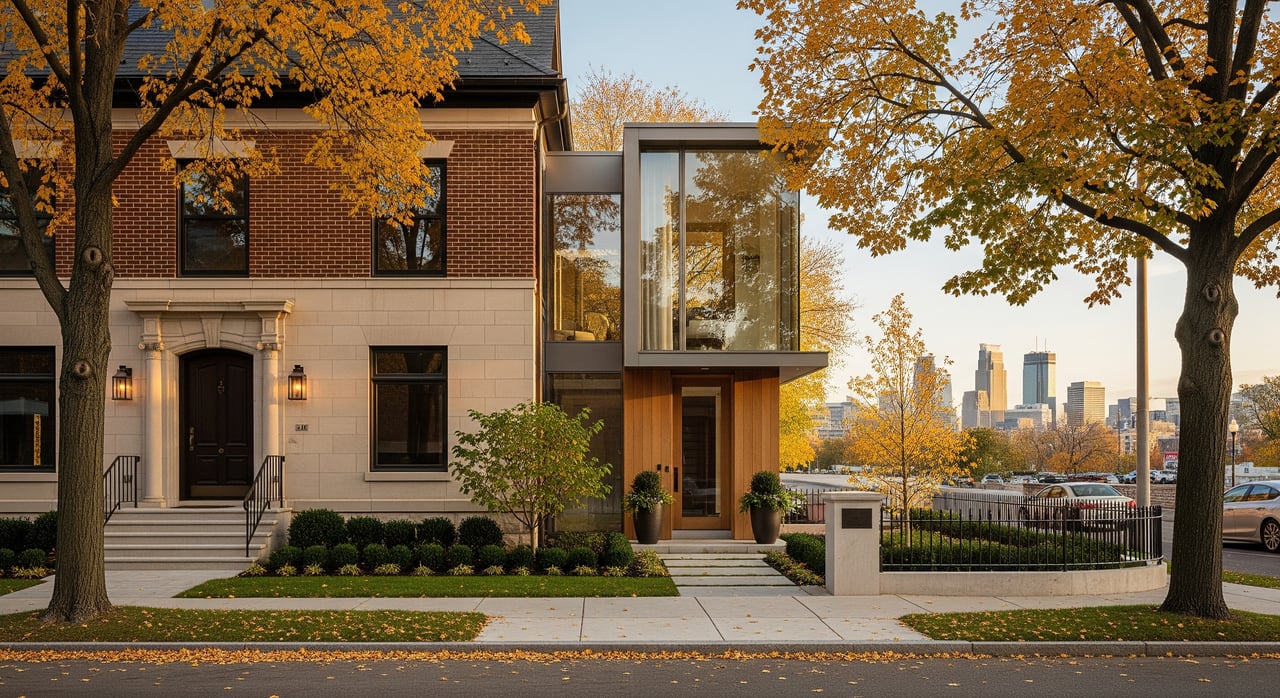
Historic downtown Chaska is the city’s civic center. The area includes civic buildings, commercial spaces, offices, homes, parks, and open space centered around Chestnut Street, Second Street, and Chaska Boulevard.
This part of town carries visible history. The Walnut Street Historic District is listed on the National Register of Historic Places, City Square Park is a designated historic site, and the city’s preservation guidance highlights Chaska brick, masonry, and historic design standards.
For many buyers, that creates a sense of place that feels hard to duplicate in newer neighborhoods. Downtown is shaped less like a closed subdivision and more like a traditional mixed-use core where homes, businesses, public buildings, and community spaces all exist close together.
Downtown Convenience and Daily Life
Downtown is where many of Chaska’s core services and public activities are concentrated. The area includes city hall, the police department, the library, the post office, and the state license bureau.
Community events are also a big part of the downtown experience. Local organizations support gatherings such as Taste of Chaska, the farmers market, Fire & Ice Bon Spiel, River City Days, and Hometown Holiday.
If you like being close to errands, public services, and recurring community events, downtown can offer strong day-to-day convenience. It is one of the clearest lifestyle advantages of this part of Chaska.
Downtown Walkability and Street Feel
Recent public improvements have made downtown easier to move through on foot and by bike. The Highway 41 project added streetscaping, improved crosswalks, ADA ramps, gathering spaces, and better walking and biking connections.
That said, downtown also has a busier street environment than a typical subdivision. The city’s planning documents note that highway traffic and river-crossing patterns have a major effect on downtown revitalization, so the tradeoff is often charm and convenience in exchange for a more active main-street setting.
What To Expect From Older Downtown Homes
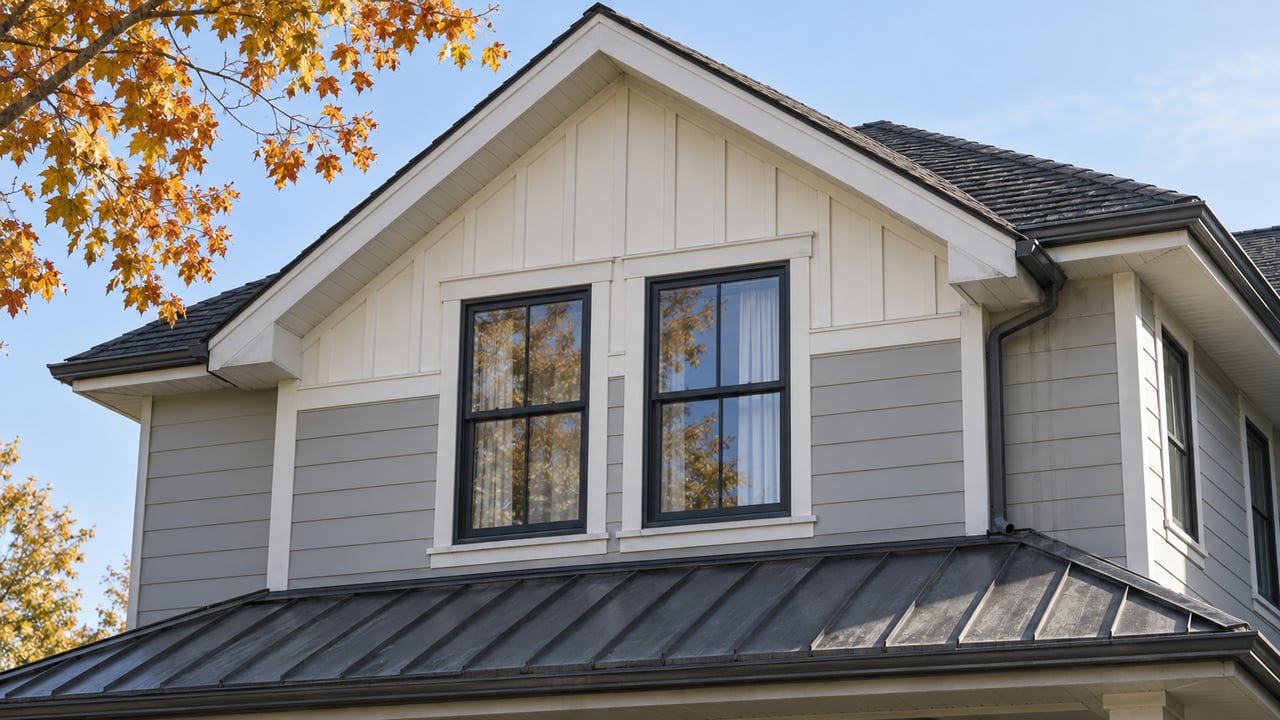
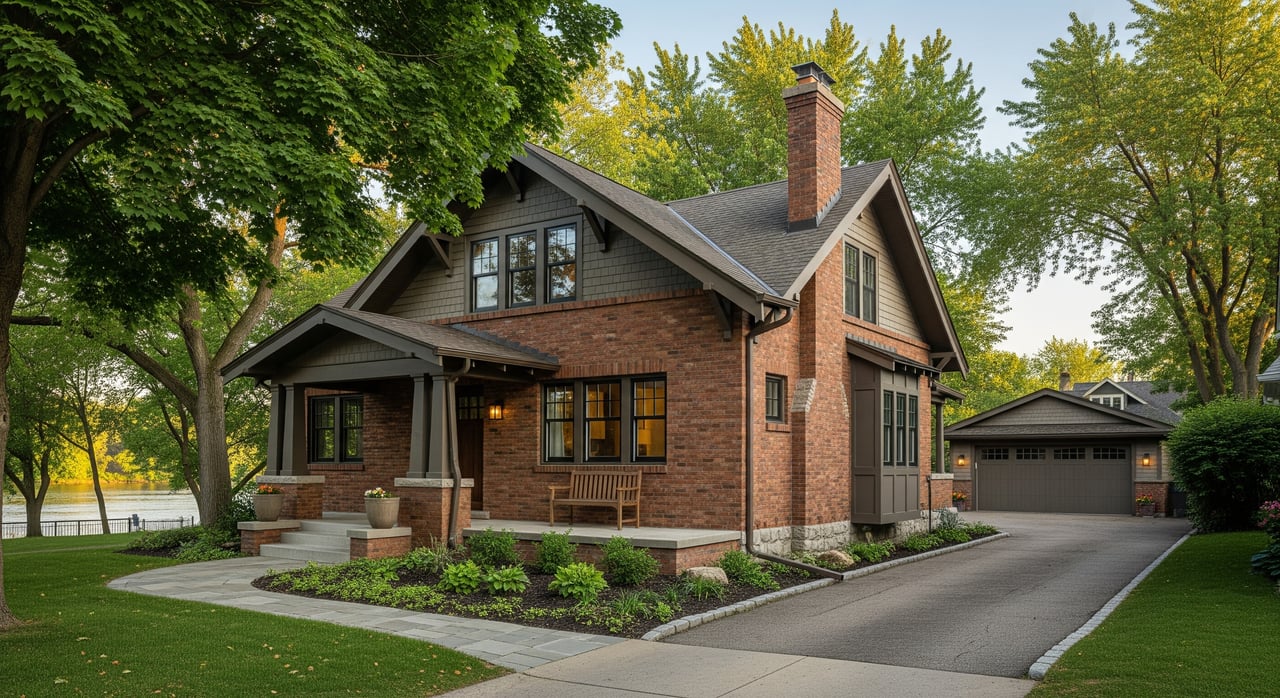
If you are drawn to older homes, it helps to go in with clear expectations. Chaska’s housing plan says the city has significant older housing, especially downtown, and that this older stock creates greater demands for maintenance and rehabilitation.
In practical terms, that can mean more upkeep, more repair planning, and a more hands-on ownership experience. For some buyers, that is part of the appeal because older homes can feel distinctive and rooted in local history. For others, it may feel like more work than they want to take on.
Character vs. Maintenance
A downtown home may appeal to you if you value original details, established streets, and a location tied closely to Chaska’s history. The preservation focus in the area reinforces that identity.
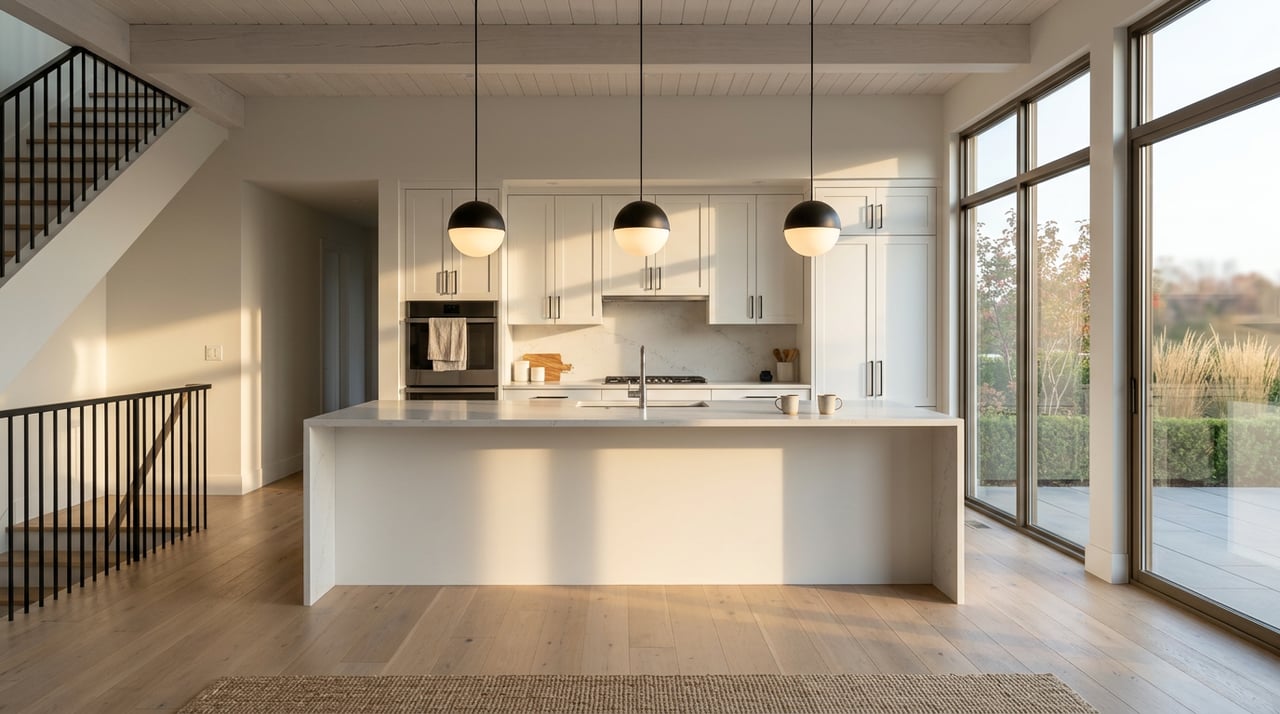
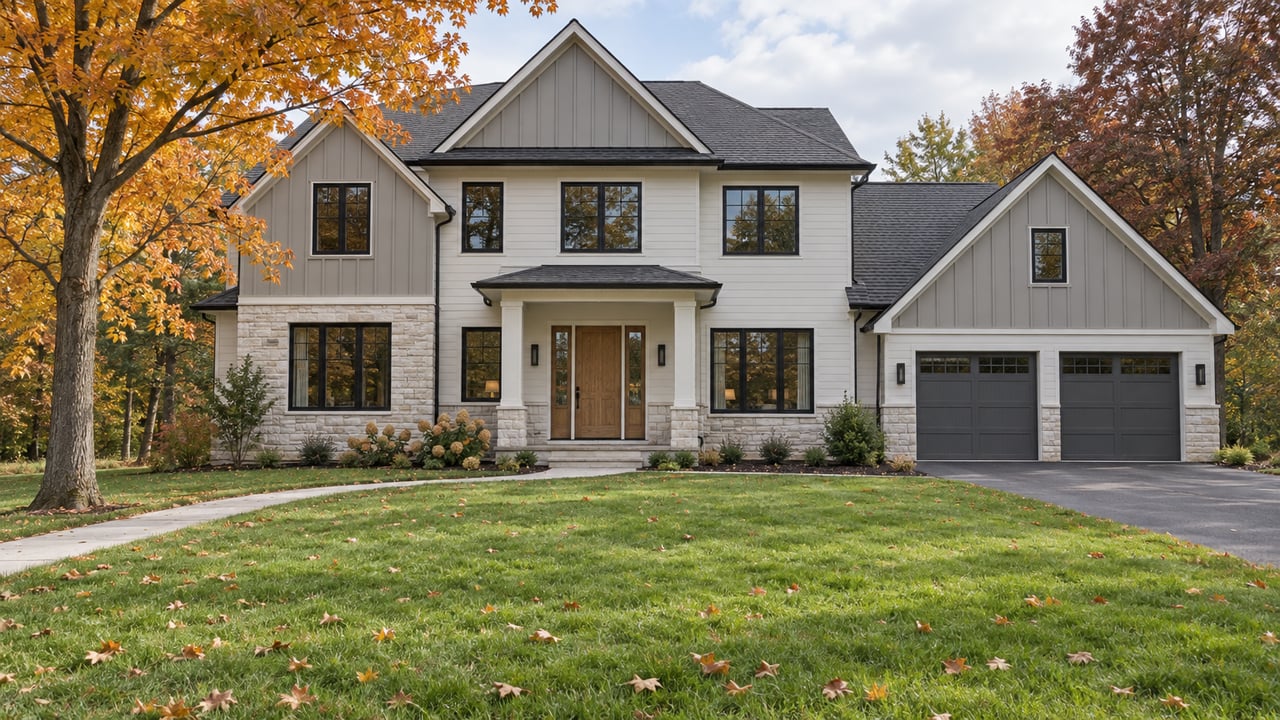
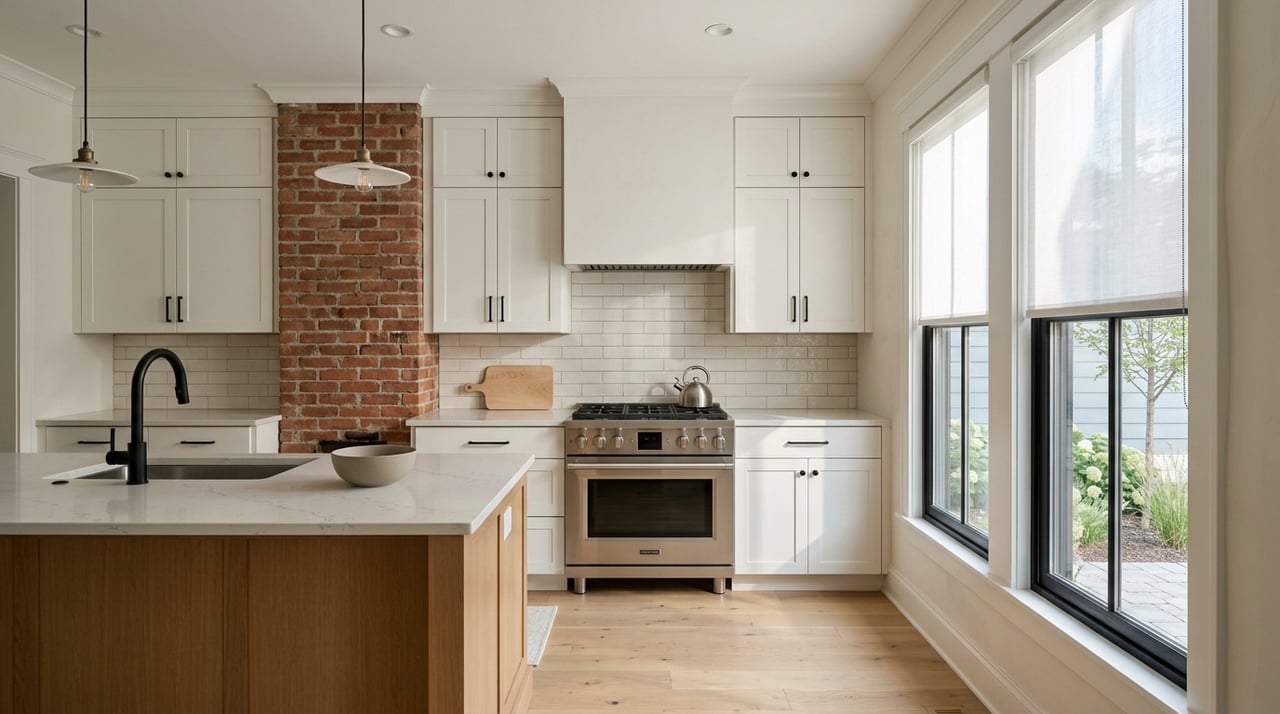
A newer home may fit better if you want a more predictable maintenance profile and a home designed around modern subdivision standards. Neither choice is universally better. The right answer depends on how much value you place on character versus convenience.
What Newer Chaska Developments Offer
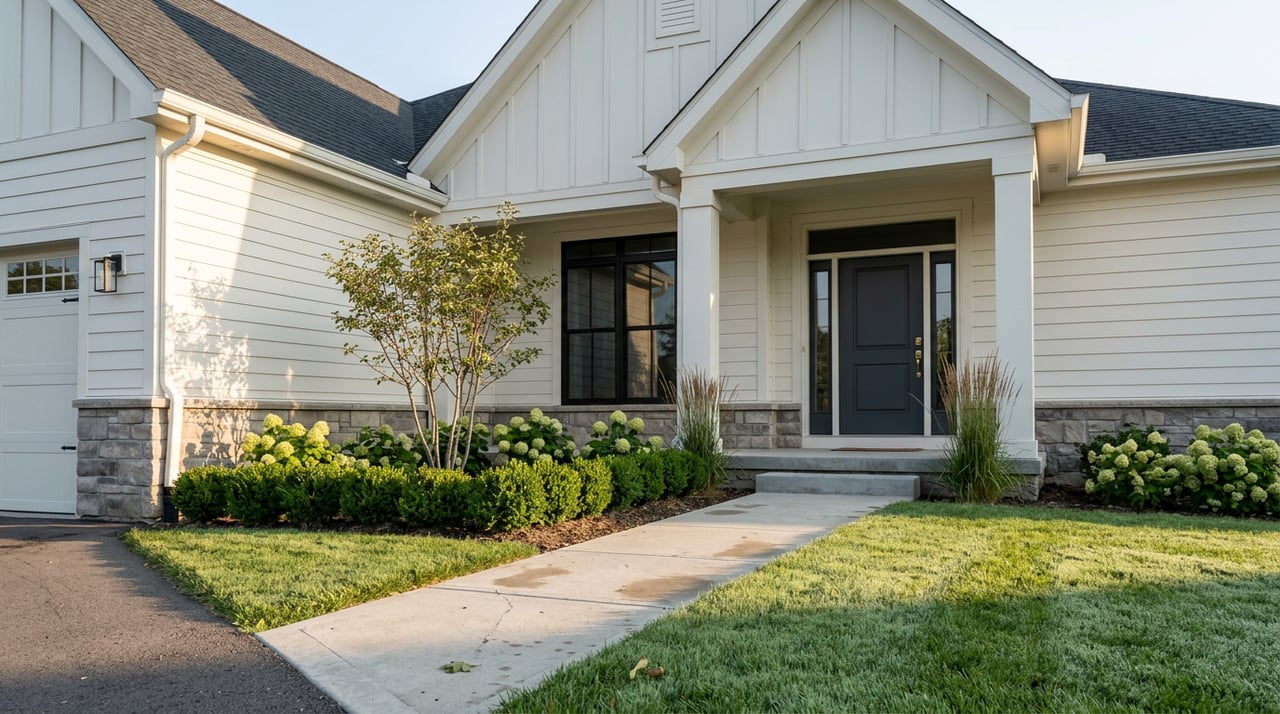
Newer neighborhoods in Chaska are largely tied to the city’s later growth areas, including Southwest Chaska Growth Area, Clover Ridge, and several additional parcels identified in the comprehensive plan. The city also notes that the southwest growth area is intended to complement downtown rather than compete with it.
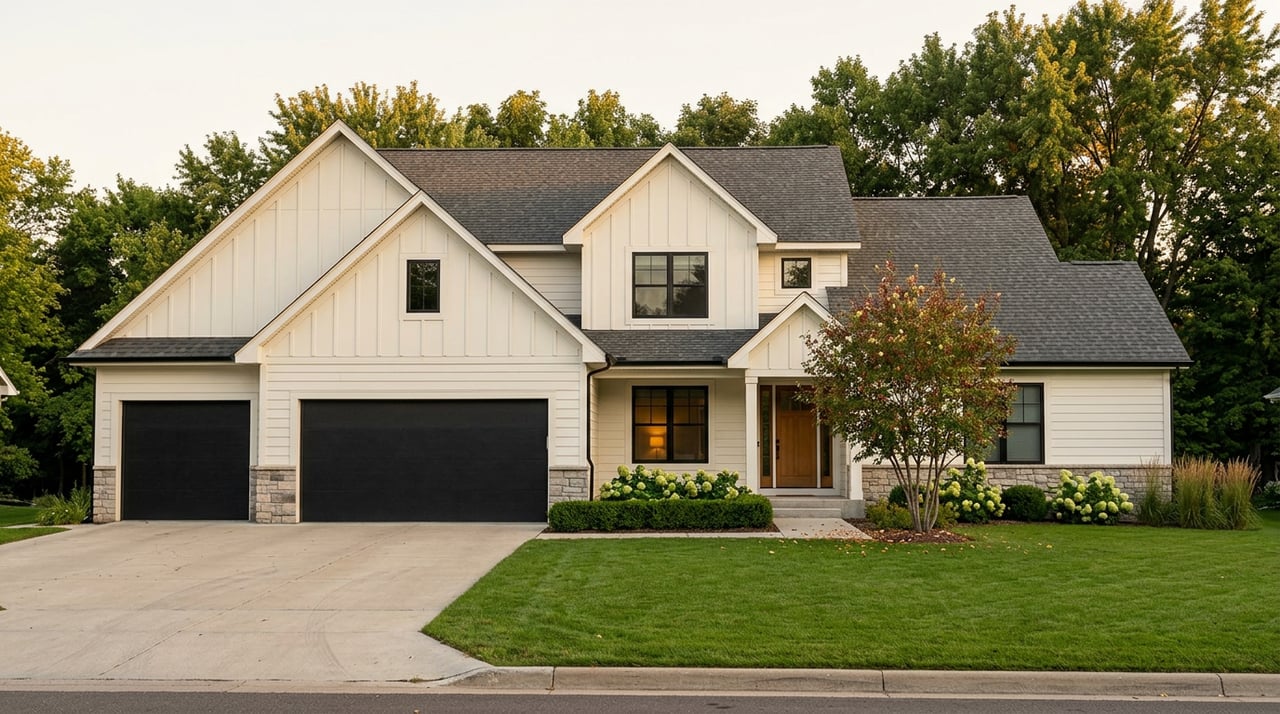
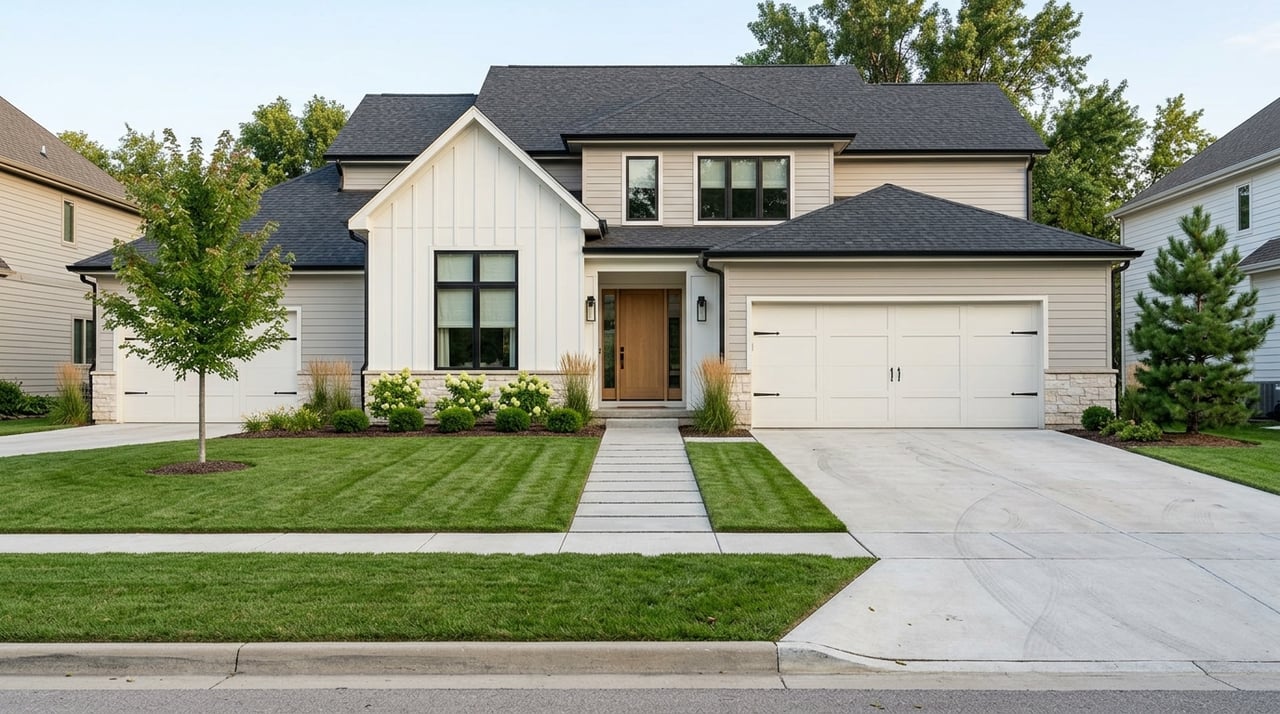
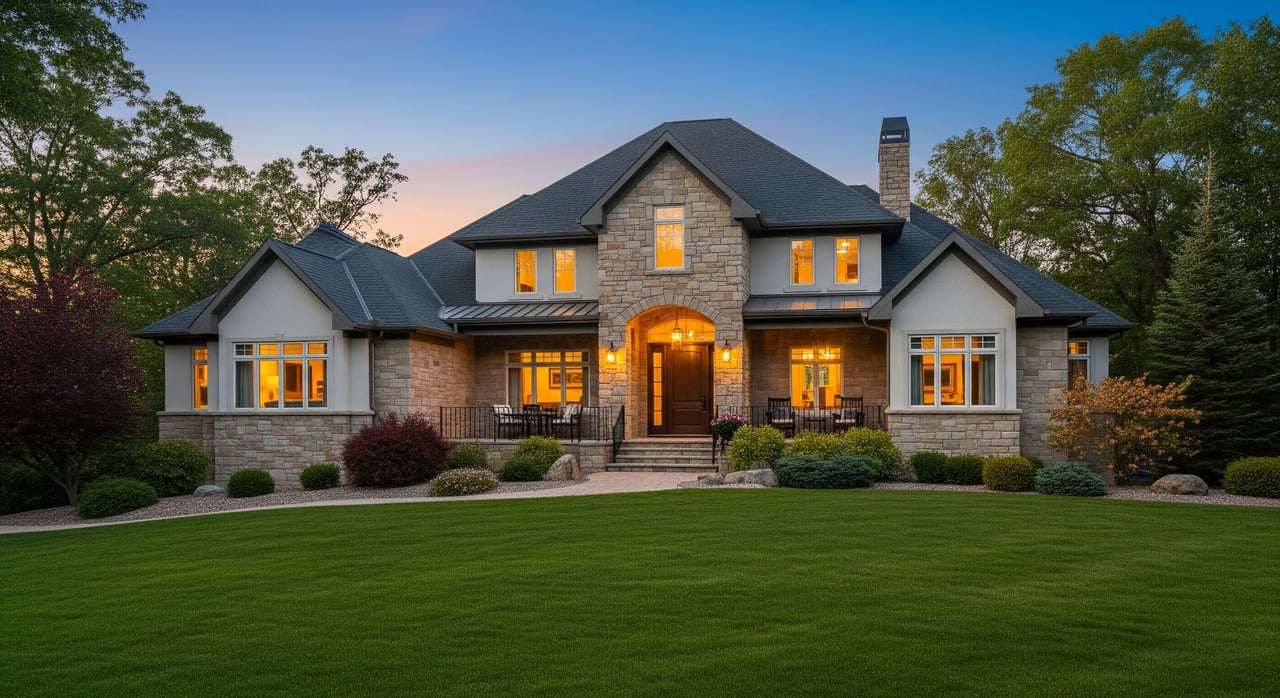
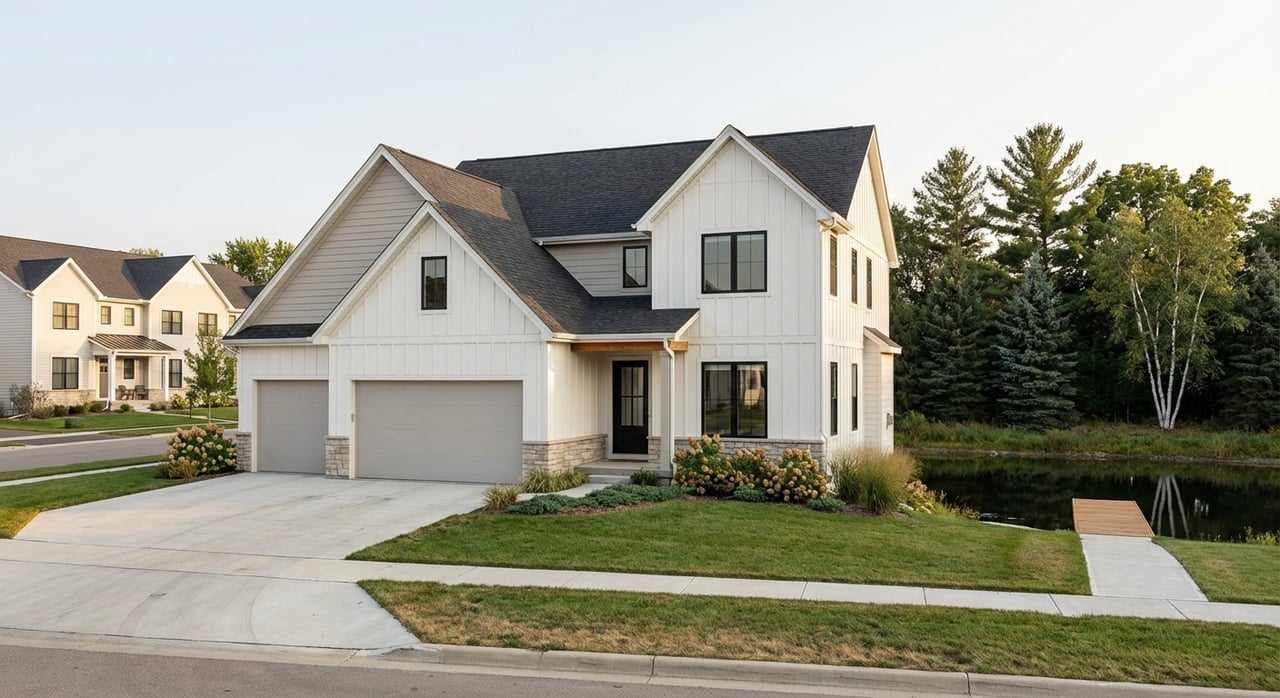
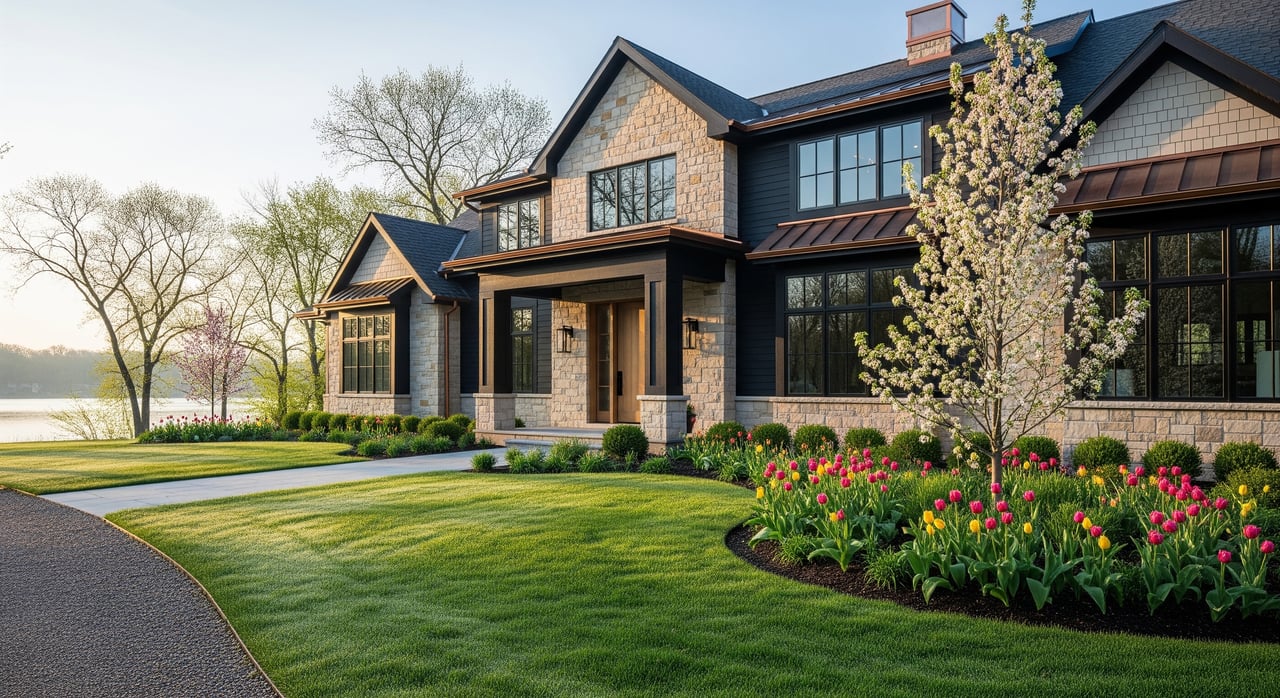
These areas often feel different by design. Instead of evolving over many decades like downtown, newer neighborhoods are commonly planned in a more unified way with organized layouts, common features, and a stronger framework for shared maintenance responsibilities.
Planned Neighborhood Design
Chaska’s land-use policy says newer residential developments are often organized through Planned Development Districts, Neighborhood Home Owners’ Associations, and Traditional Neighborhood Development. The city reports more than 35 residential HOAs.
In these settings, HOAs may be responsible for common open space, trails, landscaped medians, monument signage, and some non-standard street designs. If you want neighborhood amenities and a more standardized look and feel, this can be a major benefit.
Modern Layouts and Housing Patterns
Chaska’s housing data shows that single-family detached homes are the largest category in the city. Since 2010, most housing growth has been detached single-family construction, though attached homes and multifamily units are also part of the broader housing mix.
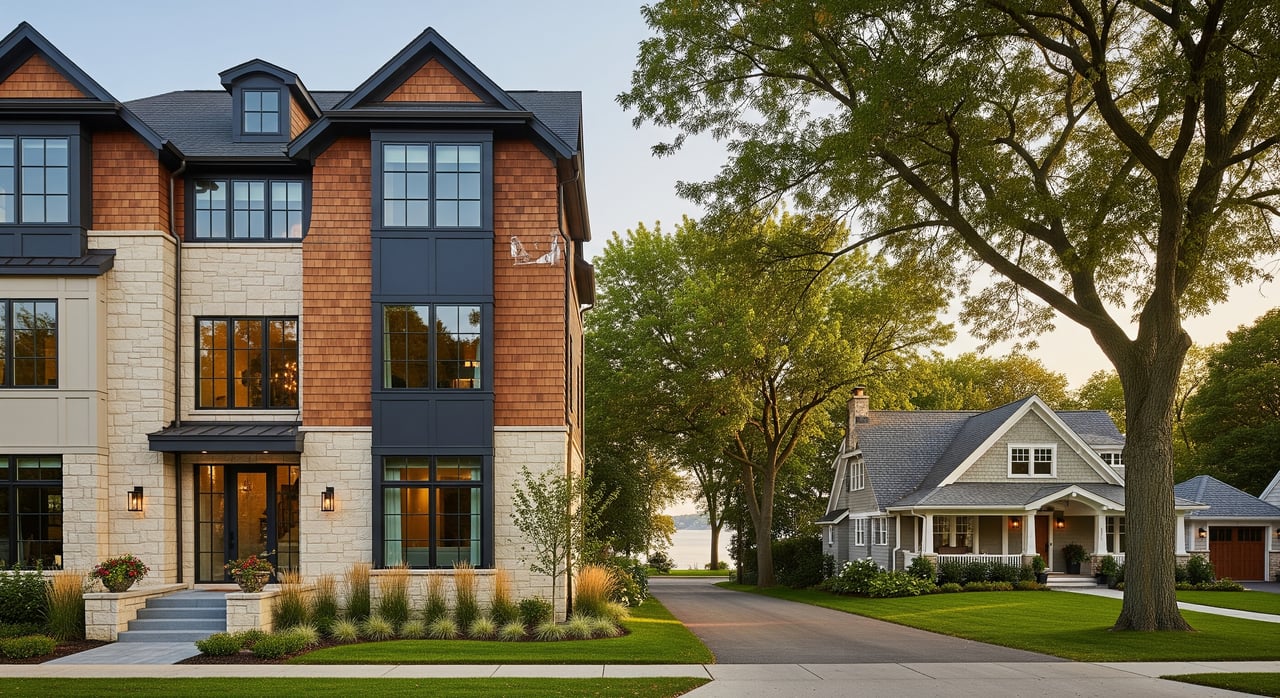
The city’s planning documents describe some of Chaska’s newer growth eras as modernist housing in Jonathan and neo-traditional housing in Clover Ridge. For buyers, that helps explain why newer developments often feel more coordinated, more contemporary in layout, and more aligned with planned neighborhood living.
How HOAs Change the Ownership Experience
If you are comparing historic downtown to a newer development, HOA structure is one of the biggest practical differences. Downtown living is generally shaped by mixed-use surroundings, historic context, and city-centered activity.
Newer developments are more likely to include HOA-managed common areas and shared neighborhood features. That can reduce some of the responsibilities tied to maintaining community spaces, but it also means you should understand what the HOA manages and what rules may apply.
For buyers who want trails, open space, landscaped entries, and a more uniform neighborhood framework, newer developments may feel like a better match. If you prefer a setting with less emphasis on HOA-managed shared amenities, downtown may feel more natural.
Commute and Transit Differences in Chaska
Chaska’s transportation system is anchored by TH 212 and TH 41. Those corridors connect the city to the broader metro highway network and have shaped how different parts of Chaska function.
That matters when you compare downtown and newer growth areas. Your daily commute may feel different depending on whether you want quick access to civic services and walkable destinations or faster connections to regional roads and transit.
Downtown Mobility
Downtown living is closely tied to walkable errands, civic buildings, and community events in the historic core. If you like the idea of being near the library, city services, and seasonal events, downtown offers a more central local experience.
Street improvements have also supported easier walking and biking in the area. That gives downtown a practical edge for buyers who value local convenience over a purely subdivision-based layout.
Southwest Chaska and Regional Access
Newer growth areas, especially those tied to the TH 212 corridor, are more aligned with regional commuting patterns. The completion of new Highway 212 played a major role in shaping later growth in the southwest part of the city.
Transit is part of that picture too. SouthWest Transit offers weekday express bus service to downtown Minneapolis and the University of Minnesota, and East Creek Station in Chaska serves routes 600, 695, 698, and 698U. The station is located at Hwy 212 and Hwy 41.
If using express transit or reaching the metro highway system efficiently matters to you, homes near East Creek Station or the TH 212 corridor may deserve extra attention. For many buyers, that is one of the strongest arguments for a newer-area search.
Which Chaska Home Style Fits You Best?
The best choice usually comes down to how you want your home and neighborhood to support your routine. Historic downtown and newer developments both offer real advantages, but they solve different lifestyle priorities.
Here is a simple way to think about it.
Historic downtown may fit you better if you want:
- A home tied to Chaska’s historic identity
- Close access to civic services and community events
- A mixed-use setting with a traditional downtown feel
- Walkable access to more daily destinations
- Distinctive older housing with character
A newer development may fit you better if you want:
- A more standardized neighborhood layout
- HOA-managed common spaces or shared amenities
- Housing shaped by more recent construction trends
- Stronger alignment with TH 212 access
- Proximity to East Creek Station and express transit options
How To Make the Right Choice With Confidence
When buyers compare downtown Chaska with newer developments, the right answer is rarely just about age of home. It is about how you want to live. Your ideal fit may depend on whether you value historic character, walkable convenience, and a central civic setting, or prefer planned amenities, modern neighborhood organization, and easier regional access.
A focused home search can help you compare those options side by side. At The Hancock Group, we help buyers weigh lifestyle, location, and long-term fit so you can move forward with clarity in Chaska and across the southwest Twin Cities.
FAQs
How much maintenance should you expect in a historic downtown Chaska home?
- Chaska’s housing plan says older housing, especially downtown, creates greater demands for maintenance and rehabilitation, so you should expect a more hands-on ownership experience than you would with many newer homes.
Which areas in Chaska are most likely to have HOAs?
- Newer residential developments are the most likely to include HOAs, and Chaska’s land-use policy notes that the city has more than 35 residential HOAs tied to planned neighborhood development.
Is historic downtown Chaska walkable for daily errands and events?
- Yes. Downtown Chaska concentrates civic services, community events, and mixed uses in the city core, and recent street improvements added better walking and biking connections, improved crosswalks, and ADA ramps.
How does commute access differ between downtown Chaska and southwest Chaska?
- Downtown is more aligned with local errands, civic buildings, and community activities, while southwest Chaska and areas near TH 212 are more aligned with regional highway access and SouthWest Transit service through East Creek Station.
Which Chaska area is better if you want character instead of a modern subdivision feel?
- Historic downtown is typically the stronger match if you want visible history, preservation standards, mixed-use surroundings, and older homes with more individual character.