If your ideal weekend includes a trail under your feet, fresh air close to home, and more than one way to get outside, Savage deserves a closer look. For many buyers, parks and trails are not just nice extras. They shape daily routines, weekend plans, and how connected a community feels. In Savage, outdoor access is woven into everyday life, and that can make a real difference when you are deciding where to live. Let’s dive in.
Outdoor living in Savage
Savage has a large, well-maintained park-and-trail system that supports both quick neighborhood outings and longer weekend adventures. City information shows slightly different counts on different pages, but the overall picture is consistent: this is a community with extensive parks, trails, sidewalks, and outdoor spaces.
That system is designed to do more than give you a place to walk. The city notes that trails connect parks, neighborhoods, schools, churches, and other community facilities. Its planning documents also focus on filling trail gaps and improving access between residential, commercial, institutional, and recreational areas.
For you as a buyer, that matters because it means outdoor recreation is part of the structure of the city. In Savage, getting outside often feels less like a special trip and more like part of your normal week.
Why weekends feel active here
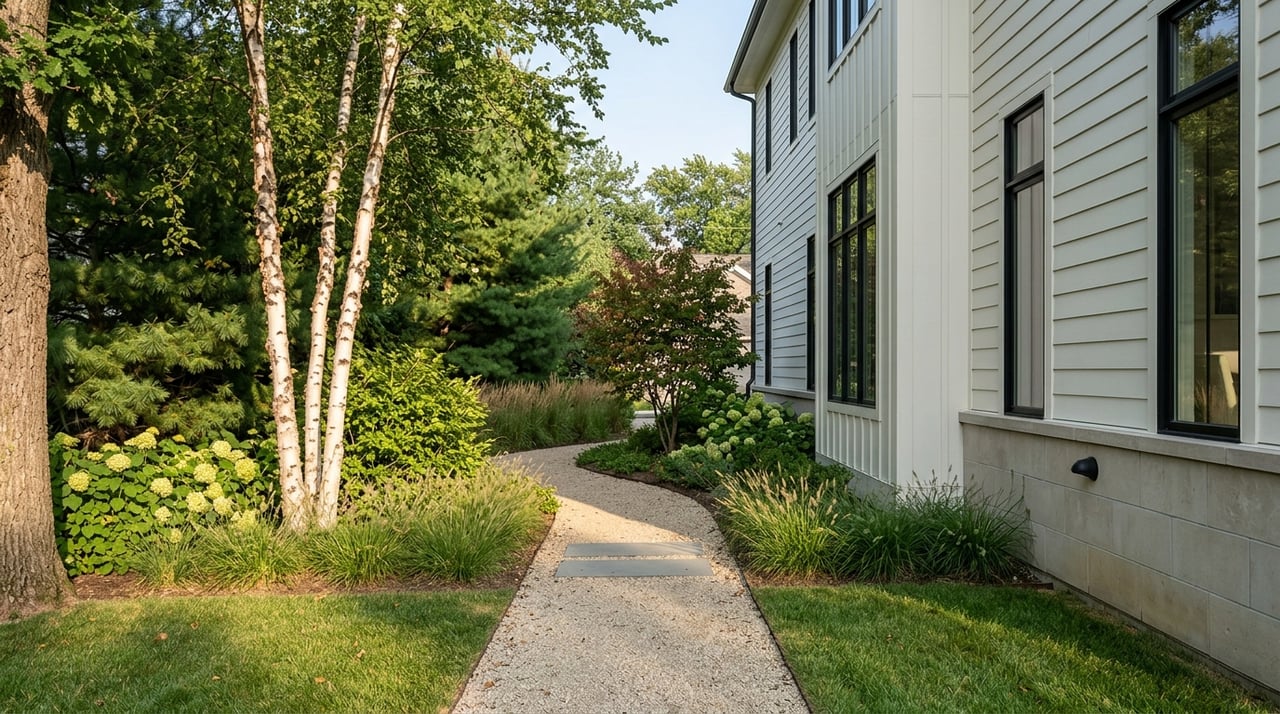
In some suburbs, outdoor time starts with loading the car and driving somewhere else. In Savage, many parks and trail connections are built into residential areas, which can make spontaneous outdoor time easier.
The city’s parks list includes smaller community and neighborhood parks spread across local streets and residential areas. Many of them offer the kinds of amenities that shape real weekend use, including walking trails, playgrounds, courts, sports fields, ice rinks, warming houses, and even an archery range.
That variety gives you options. You might head out for a short dog walk, spend a few hours at a playground, meet friends for pickleball, or plan a longer trail outing, all without feeling far removed from home.
Murphy-Hanrehan brings regional adventure
A bigger outdoor experience
If you want a more rugged outdoor setting, Murphy-Hanrehan Park Reserve is one of Savage’s standout assets. Three Rivers describes the reserve as a landscape of glacial ridges, hilly terrain, and extensive forest, which gives it a very different feel from a typical neighborhood park.
This is the kind of place that can anchor an entire Saturday. You can head there for hiking, take on mountain bike trails, or simply enjoy a more natural, wooded setting that feels removed from the pace of the week.
Strong options across seasons
Murphy-Hanrehan is known for its mountain biking, with about 10 miles of trails ranging from easy to advanced. The reserve also offers horseback riding, hiking, and a dog park, according to city information about Savage’s natural features.
In winter, it shifts into another gear. Three Rivers identifies it as one of the Twin Cities’ most challenging cross-country ski areas, and the reserve also supports snowshoeing. That gives outdoor-minded residents a four-season destination close to home.
A place with natural significance
Murphy-Hanrehan also stands out for its ecological value. It is designated as an Important Bird Area, which adds another layer for people who enjoy birding or simply value protected natural landscapes.
For buyers comparing south metro communities, this kind of regional reserve can be a meaningful lifestyle feature. It is not just a park nearby. It is a place that adds depth to how you spend your free time.
McColl Pond fits easy family weekends
Relaxed outdoor time close by
Not every weekend needs to be a full adventure. McColl Pond and Community Park offer a more relaxed outdoor experience that works especially well for easy mornings, family outings, or casual walks.
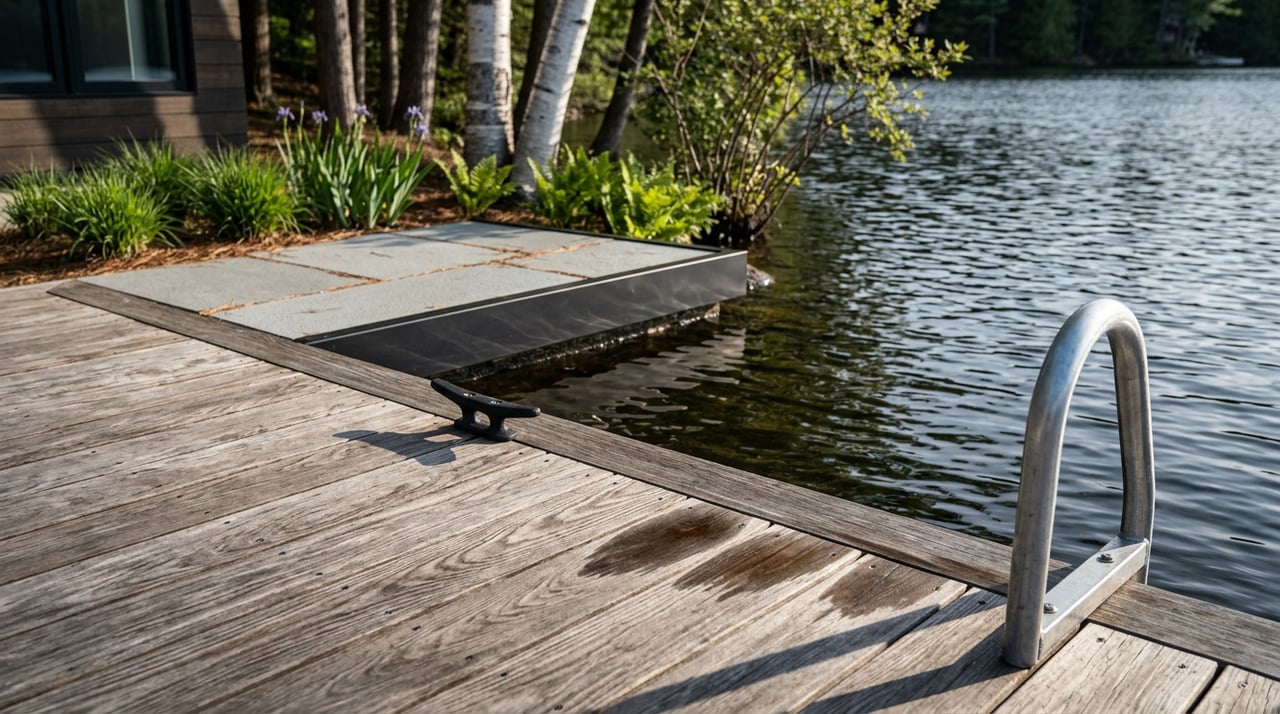
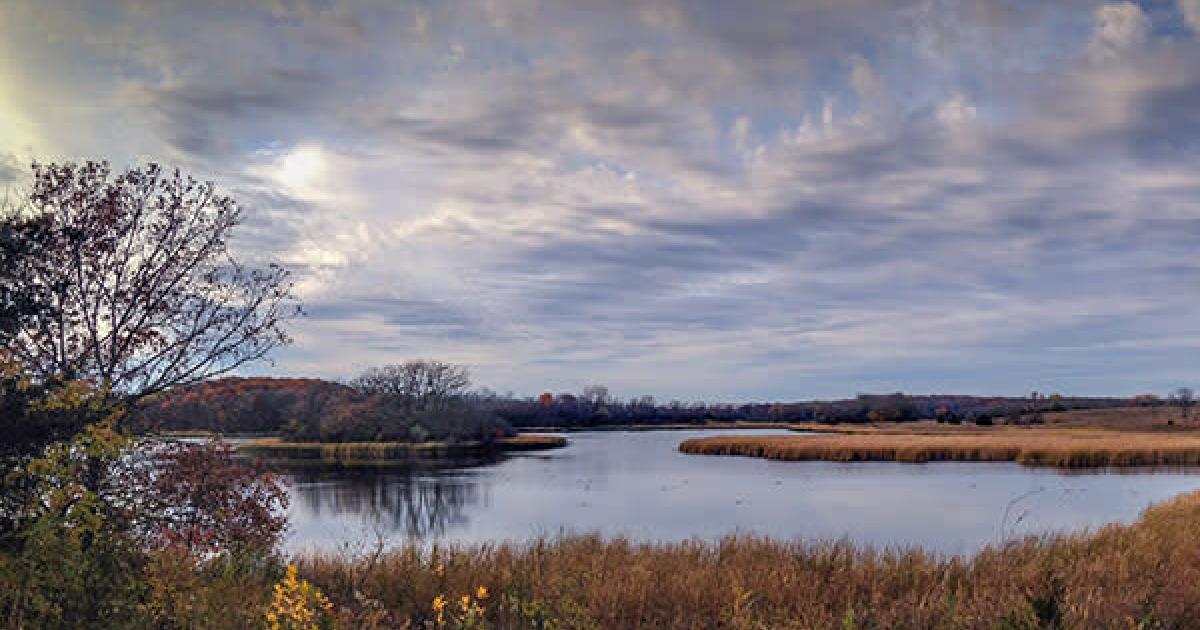
McColl Pond is a 22-acre lake with a fishing dock, picnic area, grills, playground, and a nature trail through maple-oak-basswood forest. The city also notes that there is no entrance fee, which makes it a simple place to return to often.
A natural setting with flexible use
This area works well because it brings several activities together in one spot. You can walk the trails, spend time at the playground, enjoy a picnic, or pause by the water without needing a tightly planned itinerary.
The nearby McColl Pond Environmental Learning Center sits within Community Park on 10 acres that include native prairie, rain gardens, butterfly gardens, and mature trees. Its setting overlooks the pond, walking trails, playground, and the broader park, reinforcing how central outdoor space is to this part of Savage.
Neighborhood parks support everyday routines
Savage’s smaller parks are a big part of what makes the city feel livable for outdoor lovers. Parks such as Eagle Creek Park, Hidden Valley Park, Hamilton Hills Park, O’Connell Park, River Bend Park, and Canterbury Park help bring recreation closer to where people live.
These are the places that often shape real-life routines. You might walk a trail after dinner, bring the kids to a playground on Sunday afternoon, or use a rink in winter without making a major plan out of it.
That convenience matters when you are evaluating a neighborhood. Access to nearby green space can influence how often you actually use it, and Savage’s park layout suggests that many residents have those choices close at hand.
Dog-friendly options
If you have a dog, Savage adds another layer of convenience. The city notes that dogs must be leashed in parks, and it also offers an off-leash dog park for owners who want a dedicated place to let dogs run and socialize.
That kind of amenity may seem small on paper, but it can become part of your regular rhythm. For many households, dog-friendly outdoor access is one of the details that makes a place easier to enjoy every day.
Natural areas give Savage a different feel
Savage is not only about playgrounds and paved trails. The city also highlights distinctive natural areas that help set it apart, including the Savage Fen, Eagle Creek, Hidden Valley Remnant Prairie, Boiling Springs, and the Minnesota River Valley area.
These spaces add texture to the community’s outdoor identity. They suggest a city where nature is not fully pushed to the edges, but still plays a visible role in the landscape.
Eagle Creek and Hidden Valley
Eagle Creek is especially notable because the city describes it as the last remaining natural trout stream in Scott County. Hidden Valley preserves remnant prairie and also serves as a winter sledding hill, showing how one space can support both conservation and recreation.
Those details matter because they give Savage a more layered outdoor experience. You are not limited to standard suburban park design. You also get places with real environmental character.
The Minnesota River Valley and Savage Fen
The Minnesota River Valley area includes three lakes and one marsh across 775 acres shared among four cities and owned by the U.S. Fish and Wildlife Service. This broader landscape contributes to the sense that Savage is connected to larger regional natural systems, not isolated from them.
The Savage Fen Wetland Complex is also significant. According to the state GreenStep profile, it is the largest calcareous fen in Minnesota at about 640 acres, although public access is limited. Even with limited access, it helps define the local landscape and gives Savage a distinct environmental identity.
What a typical weekend can look like
One of Savage’s strengths is variety. Depending on the season and your energy level, your weekend can look very different from one day to the next.
Here are a few realistic ways outdoor lovers might spend time in Savage:
- Start Saturday with a hilly hike or mountain bike ride at Murphy-Hanrehan Park Reserve.
- Spend part of the afternoon at McColl Pond with fishing, a picnic, playground time, or an easy nature walk.
- Use a neighborhood trail or local park for a low-key evening walk.
- Visit the dog park for a shorter outing with your pet.
- In winter, head to Murphy-Hanrehan for cross-country skiing or snowshoeing.
- Use O’Connell Park or other neighborhood parks for ice rink and warming house access during the colder months.
What stands out is how flexible it all feels. Savage supports both all-day outdoor plans and shorter everyday routines, which is often exactly what buyers want in a suburban setting.
Why this matters when buying in Savage
When you buy a home, you are not only choosing square footage or finishes. You are also choosing how your days will feel once you move in. Parks, trails, and natural spaces often shape that experience more than buyers expect.
Savage’s planning documents make clear that trails are treated as community infrastructure. The city’s placemaking work identifies future connections that aim to tie together downtown, Camp Savage and the dog park, the Fen, and other local destinations.
The city also calls for stronger access to regional attractions such as Cleary Lake Regional Park, Murphy-Hanrehan Park Reserve, the Scott West Regional Trail, and the Minnesota Valley Wildlife Refuge. That long-term approach supports the idea that Savage sees outdoor connectivity as part of community life, not just a bonus feature.
At a regional level, city news has also described the Rose Bluff segment as part of the future Lake Marion Greenway Regional Trail. That future route is planned to connect multiple communities and eventually link trail users from the Minnesota River to Murphy-Hanrehan Park Reserve and beyond.
For you, the takeaway is simple. Savage offers a blend of neighborhood parks, meaningful natural areas, and a growing trail network that can support an outdoor lifestyle in a very practical, everyday way.
If you are thinking about buying or selling in a community where lifestyle details like trails, parks, and outdoor access truly matter, The Hancock Group can help you evaluate what fits your next move.
FAQs
What makes Savage, Minnesota appealing for outdoor lovers?
- Savage offers a large park-and-trail system, neighborhood parks, natural areas, and access to regional recreation, making outdoor time easier to build into everyday life.
What outdoor activities can you do at Murphy-Hanrehan Park Reserve in Savage?
- Murphy-Hanrehan supports hiking, mountain biking, horseback riding, dog park use, cross-country skiing, and snowshoeing in a hilly forest setting.
What can families do at McColl Pond in Savage?
- Families can enjoy the fishing dock, playground, picnic areas, grills, and easy nature trails around the 22-acre pond.
Are there dog-friendly parks in Savage, Minnesota?
- Yes. Dogs are allowed in city parks when leashed, and Savage also has an off-leash dog park.
Are Savage parks and trails useful year-round?
- Yes. Warm-weather options include walking, biking, fishing, and playground use, while winter options include cross-country skiing, snowshoeing, sledding, and ice rinks at select parks.
Why do parks and trails matter when buying a home in Savage?
- Parks and trails can affect your daily routine, convenience, and overall lifestyle, and Savage’s trail planning shows that outdoor access is an important part of the community’s long-term design.